
Public:ARHUDFM FAQ: Difference between revisions
| Line 1,597: | Line 1,597: | ||
* Rechargeable Smart Lithium Ion battery pack | * Rechargeable Smart Lithium Ion battery pack | ||
* 72 hours or up to 3600 SMASH-assisted shots | * 72 hours or up to 3600 SMASH-assisted shots | ||
Laser Range: Finder Optional, up to 1000 m | Laser Range: Finder Optional, up to 1000 m<br> | ||
MIL-STD Compliance: MIL-STD-810G, MIL-STD-461E | MIL-STD Compliance: MIL-STD-810G, MIL-STD-461E<br> | ||
[[File:SMASH-2000-1.jpg|300px|thumb|right|SMASH-2000 vs. drone]] | [[File:SMASH-2000-1.jpg|300px|thumb|right|SMASH-2000 vs. drone]] | ||
| Line 1,611: | Line 1,611: | ||
'''''Key differences''''' | '''''Key differences''''' | ||
'''Insufficient field of view.''' The small LCD screen relative to a person's general field of vision will not allow you to quickly recognize targets and threats. It will also illuminate your face in the dark. | '''Insufficient field of view.''' The small LCD screen relative to a person's general field of vision will not allow you to quickly recognize targets and threats (FOV 24°-6°). It will also illuminate your face in the dark. | ||
[[File:SMASH-2000-2.jpg|300px|thumb|right|SMASH-2000 U.S. Marine Corps]] | |||
'''Optical magnification.''' The optical magnification is 1x for the 2000 and 3000 models and 4x for the X4. This is enough for most tactical applications up to 300 and 600 yards (4x). But if a target needs to be hit at 900 yards, or for snipers with a range of 1,500 yards or more, this device will not help them. Most military and police snipers work with 3-9x42 and 3-12x50 optics, more rarely 4-16x50, even more rarely 3.5-25x56, 4.5-27x56 and 7-35x56.<br> | '''Optical magnification.''' The optical magnification is 1x for the 2000 and 3000 models and 4x for the X4. This is enough for most tactical applications up to 300 and 600 yards (4x). But if a target needs to be hit at 900 yards, or for snipers with a range of 1,500 yards or more, this device will not help them. Most military and police snipers work with 3-9x42 and 3-12x50 optics, more rarely 4-16x50, even more rarely 3.5-25x56, 4.5-27x56 and 7-35x56.<br> | ||
These days long sniper rifles come with a computer system in which you can put in the humidity, elevation, temperature, wind, spindrift, and even the Coriolis effect aka the “spin of the Earth” and make the adjustments to your scope/sights. So despite the exit pupil and brightness issues, shooters are demanding “more power” these days and the scope manufacturers are providing new products with ever-greater magnification levels. Right now, the most powerful conventional riflescope you can buy is the March X-Series 8-80x56mm scope! That means a massive 80x magnification range. However for what it’s worth when you firing at targets over 2000 meters (1.26 miles) with the best match grade ammo and a high-powered scope either .338 Lapua Magnum or .50 cal at that distance you are what they call “eyeballing” it to a certain degree and are not going to hit the target 9 out of 10 times. You may have a clear head shot of the enemy over 2000 meters away with your 80x magnification scope however it’s not that easy.<br> | These days long sniper rifles come with a computer system in which you can put in the humidity, elevation, temperature, wind, spindrift, and even the Coriolis effect aka the “spin of the Earth” and make the adjustments to your scope/sights. So despite the exit pupil and brightness issues, shooters are demanding “more power” these days and the scope manufacturers are providing new products with ever-greater magnification levels. Right now, the most powerful conventional riflescope you can buy is the March X-Series 8-80x56mm scope! That means a massive 80x magnification range. However for what it’s worth when you firing at targets over 2000 meters (1.26 miles) with the best match grade ammo and a high-powered scope either .338 Lapua Magnum or .50 cal at that distance you are what they call “eyeballing” it to a certain degree and are not going to hit the target 9 out of 10 times. You may have a clear head shot of the enemy over 2000 meters away with your 80x magnification scope however it’s not that easy.<br> | ||
In the ARHUDFM device, we not only use a complex algorithm of ballistic calculations according to 12+ parameters but also Machine Learning based on the history of shots in a given area under similar conditions, including by other shooters. We use Computer Vision technology to track the point of impact, as well as to make the image as clear as possible for the shooter at high magnification (24x), to correct for climatic variables such as mirage. And, of course, we've thought about the shooter's user experience itself. The shooter sees the image from the stereo camera of the mask along with the scale, as well as the point of sight line. If the sight line is outside the view area boundary, the system tells him which way to move it and how far (important at high magnification). After the test shot, the shooter sees the corrective adjustments on the same screen and can immediately fire again, which is very important for a moving target. Some shooters do this "by eye", and some lose time by making additional corrective adjustments to the scope. The ARHUDFM shows the necessary correction deviation instantly. The shooter must not lose sight of the target by keeping it in the field of view of the stereo camera at all times. The shooter also does not lose visual situational awareness around him, including peripheral vision and rear view, and does not need to cover one eye. This shooting technique is much easier and faster. In addition, there is no need for a second number, a spotter. And the shooter does not become vulnerable during aiming and firing.<br> | In the ARHUDFM device, we not only use a complex algorithm of ballistic calculations according to 12+ parameters but also Machine Learning based on the history of shots in a given area under similar conditions, including by other shooters. We use Computer Vision technology to track the point of impact, as well as to make the image as clear as possible for the shooter at high magnification (24x), to correct for climatic variables such as mirage. The MIL/MOA reticle will remain the same size across the zoom range. And, of course, we've thought about the shooter's user experience itself. The shooter sees the image from the stereo camera of the mask along with the scale, as well as the point of sight line. If the sight line is outside the view area boundary, the system tells him which way to move it and how far (important at high magnification). After the test shot, the shooter sees the corrective adjustments on the same screen and can immediately fire again, which is very important for a moving target. Some shooters do this "by eye", and some lose time by making additional corrective adjustments to the scope. The ARHUDFM shows the necessary correction deviation instantly. The shooter must not lose sight of the target by keeping it in the field of view of the stereo camera at all times. The shooter also does not lose visual situational awareness around him, including peripheral vision and rear view, and does not need to cover one eye. This shooting technique is much easier and faster. In addition, there is no need for a second number, a spotter. And the shooter does not become vulnerable during aiming and firing.<br> | ||
[[File:SMASH-X4-1.jpg|300px|thumb|right|SMASH-X4]] | |||
'''Laser Range Finder.''' An optional integrated Laser Range Finder (LRF) enables range measurement both as a user-initiated capability as well as a system input for improved precision. In our opinion, the use of laser rangefinders is dangerous because it de-masks (exposes) the firing position to the enemy using a thermal imaging camera. In the ARHUDFM the measurements are taken with a stereo camera and at night with a thermal imaging stereo camera.<br> | '''Laser Range Finder.''' An optional integrated Laser Range Finder (LRF) enables range measurement both as a user-initiated capability as well as a system input for improved precision. In our opinion, the use of laser rangefinders is dangerous because it de-masks (exposes) the firing position to the enemy using a thermal imaging camera. In the ARHUDFM the measurements are taken with a stereo camera and at night with a thermal imaging stereo camera.<br> | ||
| Line 1,625: | Line 1,626: | ||
'''''Upcoming SMASH perspectives''''' | '''''Upcoming SMASH perspectives''''' | ||
In our opinion, this is a very promising development, despite its limitations. It offers connectivity with C4I systems, Battle Management Systems and external sensors. Smart Shooter approves that it has completed the delivery of thousands of additional SMASH systems for the IDF and other customers during 2021, the company writes. Defense agencies in the Netherlands and Austria purchased the first SMASH systems in 2022.<ref>Saminna van den Bulk, [https://magazines.defensie.nl/landmacht/2021/02/10_cde_smart-shooter "Smart Shooter helpt bij luchtdreiging"], Kiosk, (The Netherlands Ministry of Defence, PO Box 20701, 2500 ES Den Haag, February 22, 2022)</ref> | In our opinion, this is a very promising development, despite its limitations. It offers connectivity with C4I systems, Battle Management Systems and external sensors. Smart Shooter approves that it has completed the delivery of thousands of additional SMASH systems for the IDF and other customers during 2021, the company writes. The price of one set of devices is more than $4,500. Defense agencies in the United States, Netherlands and Austria purchased the first SMASH systems in 2022.<ref>Saminna van den Bulk, [https://magazines.defensie.nl/landmacht/2021/02/10_cde_smart-shooter "Smart Shooter helpt bij luchtdreiging"], Kiosk, (The Netherlands Ministry of Defence, PO Box 20701, 2500 ES Den Haag, February 22, 2022)</ref> | ||
'''4. RED 6''' | '''4. RED 6''' | ||
Revision as of 19:25, 29 September 2022
Augmented Reality Head-Up Display Fullface Mask (ARHUDFM)
Frequently Asked Questions
Problem
Deficiencies of the human systems used in the U.S. and German armed forces and in NATO: a distributed communication between units and between all soldiers, orientation and navigation considering fast dynamic environmental factors, the effect on concentration when performing multiple simultaneous actions, disadvantages of portable wearable devices, a lack of important additional electronic functions, a high cost of modern equipment.
Several problems and strategic capabilities at once.
1. Distributed communication between units and between all soldiers:

- Quality of communication
- Voice communication with the enemy at a distance
- Encryption
- Simultaneous communication through multiple channels
- Accuracy of information and communication
- Duration of communication sessions
As a rule, the commanders of the individual units have digital remote communication devices with encryption algorithms. However, most of those involved have simpler radios that are suppressed by electronic warfare or suffer interference in terrain with terrain elevation changes. In addition, if the unit is performing tasks in small groups, it lacks communications with other command centers, much less other domains. Voice information is exchanged through nodes, which slows down communication considerably. An important point is certainly the fact that voice communication between NATO units from different countries encounters language barriers.
The solution is a software-defined radio (SDR) embedded in an augmented reality mask that operates flexibly on an extended frequency spectrum and broadband with multiple protocols and with less transmit power. The result is less interference with others and communication errors, more workarounds for radio jamming, and increased transmission range. Multi-channel one-to-many communication shortens the duration of sessions and the speed of data exchange, especially for short text and character messages, graphics, and GPS position exchange. This improves communication and coordination many times over.
Loud communication with the enemy or the population by each fighter avoids misunderstandings.
2. Orientation and navigation considering fast dynamic environmental factors:

- Friend-or-foe system
- Speed of map reading and positioning
- Exchange of positions within the same unit and especially during inter-domain interaction
- Capture of enemy fire positions and missile launch positions, approach to distant objects, and object recognition
The friend-or-foe system is still a prospective system for all Alliance countries and is not yet widely used. It is not effective without the use of augmented reality technologies. Another problem is the need for rapid target acquisition in the field and real-time navigation with the ability to see the positions of friendly units and vehicles, as well as captured fire positions and enemy movements, detect heat and smoke trails, and distinguish
between civilians. This requires receiving data from the drone and from other friendly units.
The navigation grid should show not only the landscape but also the distance and movement path of friendly and enemy positions, their numbers, and identification codes for communication. The optical ability to zoom in on distant objects, object recognition using computer vision and identification with satellite imagery or electronic maps and day and night thermographic vision combined with optical and infrared spectral vision must be available at all times.
It is important that soldiers are not distracted by these tasks and do not lose sight of their surroundings while using other equipment (navigation device, tablet PC, map, binoculars, rangefinder, thermal imaging camera, radio, and night vision device). All devices should be integrated and not interfere with observation.
3. The effect on concentration when performing multiple simultaneous actions:

- Observation, detection, and approval
- Execution of the combat task
- Delegating the task to another
- Ballistic measurement and target setting
- Reporting the execution of the task
- Monitoring the execution of the task by others
- Screen view, text input
It is rare for a human to be able to provide two or more thought processes at the same time. For this reason, Air Force pilots have long used the head-up display to show important navigation parameters and target data. Progress and new possibilities overwhelm a person's cognitive abilities. In every domain, including sea and land, the military first conducts surveillance. Immediately upon detection, they must decide if data needs to be shared or if the electronic system needs to take care of it by providing updates to others. If the information is important, confirmation of data sharing should be obtained and possibly coordinated with others.
Whether a combat task must be delegated to or by others, or the decision has been made to perform it oneself, a very simple, clear, and immediate protocol for coordination is required. And an equally simple and concise confirmation of the established outcome. One solution is the use of voice control, auto-tracking, and data exchange via radio communication with symbols, graphics, and written codes.
Another important task that overtaxes a person's cognitive abilities is calculating ballistic parameters and aiming. It does not matter whether the weapon is a handgun, a mortar or an artillery piece. The computer calculates 7 to 12 parameters in milliseconds, often with pre-positioning and corrections, saving time and ammunition.
4. Disadvantages of portable devices:

- Dimensions and weight
- Lack of comfort during prolonged wear (pressure on head and face, fogging of goggles and visor, insufficient ventilation of head and face, battery charge)
- Wired communication between devices on the head, back, waist, and chest
- Visibility to the enemy when using glow screens at night
- Lack of integration of the different systems - respirator, face shield, night vision, drinking system, voice communication - into each other
Several different electronic devices must be combined into one, and in doing so, weight and dimensions must be reduced, and freedom of movement must not be restricted. Cables that disturb and endanger the soldier must be inside the devices. High-strength materials and component resistance to water, dust, heat, cold, shock, and vibration should enable the performance of all combat missions. When wearing the device for extended periods, the comfort of the wearer must be ensured. This includes easy breathing through the mask for more than 24 hours, sufficient ventilation of the head and face, and pressure on the soft tissues of the head that does not affect the blood supply. The visor must be protected against fogging. The operating time with a single battery must be more than 24 hours. A drinking system must be built into the mask. The mask must have a ballistic helmet suspension system that can be easily attached and removed with one hand.
The soldier must not be visible at night because of the glowing screen. During the day, the visor must not dazzle in the sun. An important technical solution for the modern soldier's equipment is also the integration of respiratory protection, face protection, visual protection, an integrated drinking system, night vision, and all kinds of communication. In this way, it is equipped for combat operations in different environments and under different threats for long periods of time.
5. Lack of important additional electronic functions:

- Written encrypted communication
- Silent voice communication (acoustic voice isolation)
- Real-time transmission and viewing of images from the drone or robot on each participant's screen
- Transmission and viewing of images from external devices outside the body contour
6. High cost of modern equipment:

- Night vision and night vision scope
- Thermographic sight
- Optical binoculars and close combat optics
- Radio with encrypted voice transmission
- Navigation device and compass
- Respiratory protection, face protection, and hearing protection
- Helmet and body protection
- Uniforms, footwear, equipment, ammunition
- Armament and first aid equipment
Key factors for Cross-Domain Interaction (CDI)
So the main factors for the CDI concept should be -
- A multiplication of communication through secure communication protocols, not through increased voice communication, but through the exchange of digital data about positions, events, tasks, and execution reports. Primarily written, symbolic, and graphical data that requires less traffic is more objective and understandable in a multilingual environment and is more easily processed by machines, including artificial intelligence (AI).
- The role of a tactical unit commander should not include the role of a communications center. They can focus more on unit coordination. Communication hubs are now machines.
- On the other hand, by following AGILE principles, each combatant, without having to expend additional forces, will not only be able to be a valuable source of data for all levels of command, but also, based on a broader range of processed objective information from other sources, including drones, satellites, and radars, presented in concise form, will be able to make more effective decisions independently without waiting for unnecessary approvals.
- The split between multichannel and machine processing will reduce channel congestion problems and increase the speed of exchanges and decision-making.
- In addition, the fighter's local cognitive superpowers, which are also processed by machines, will enable them to see, hear, and recognize what was previously inaccessible to most people at a lower level. This enables an immediate response both to themselves and to other participants in the same domain and in other domains.
The development of such Cross-Domain Solutions requires:
- Wearable individual helmets with head-up display, sensors, computing modules, SDR, and WLAN
- Adapted protocols for secure multi-channel communication
- New protocols for interaction and decision-making at all levels in various domains, including AI algorithms for big data analysis
- New training protocols for fighters, gunners, technicians, engineers, pilots, and commanders using virtualization technology
-
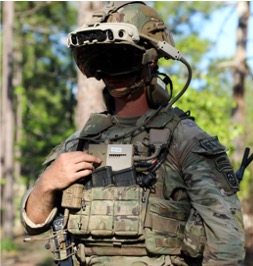 Wearable individual helmets
 -
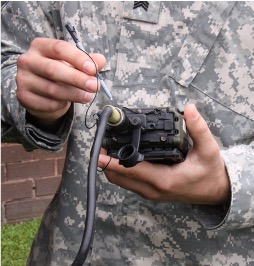 Adapted protocols for secure communication
 -
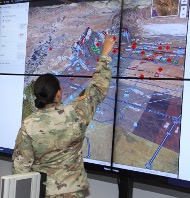 New protocols for interaction
 -
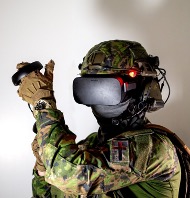 New training protocols


In addition, several strategic opportunities are also part of the problem. In the constant competition for superiority over a potential enemy, this is an important element of the problem assessment.
7. Visual communication:
- Exchange of digital position data for fast navigation
- Exchange of symbolic data for quick understanding
- Exchange of graphical information from drones and robots, a transmission of camera images to other units and participants
The location of positions and probable positions are success factors in tactical tasks. However, since the positions of friendly and enemy units can change unpredictably and very quickly, commanders do not always have complete and detailed information, especially for smaller units. It is important that each warrior in each squad group knows in advance what environment he will be in one hour. The most important thing is to be able to distinguish between friendly and enemy units before contact occurs. The concept of "friendly fire" should be abandoned. It is also important to support allied units that are suddenly ambushed and urgently need help from nearby units.
In order to report and receive the information for such navigation in real-time, it must be displayed exclusively in graphical form. It is even more convenient to have the navigation grid constantly in front of one's eyes without disturbing the overall view. The same applies to information collected not only by humans but also by drones. Part of the reconnaissance information must be processed in real-time and forwarded via common channels to
everyone within a certain radius.

- Enemy firing ranges
- Heat and smoke trails from missile trajectories with an estimation of launch positions
- Faces and objects from a distance
Modern computer vision systems are able to detect objects faster and better than humans by comparing them to previous images. Once an activity has been detected, the machines can analyze firearm flashes, aircraft trajectories, vehicle movements, and ballistic trajectories, as well as examine the heat and smoke trail of missiles in real-time and with high accuracy.
Neural networks can learn very quickly from a relevant data set. The more data, the more accurate the analysis. Progress with these technologies is measured in months, not years. As a rule, high image sharpness is not required for accurate recognition and the algorithms work efficiently even with images and videos of average quality.
Another area for recognition using computer vision is human faces. When patrolling and interacting with civilians, it is important to be able to recognize terrorists and enemy soldiers in civilian clothing. Emotion recognition capabilities are particularly noteworthy. Every human emotion has a wide range of gradations. Beyond that, however, it is usually important to evaluate the combination of emotions.
9. Noise filtering and detection for better orientation and observation

Human hearing is many times less informative than that of animals. At the same time, external microphones and bandpass filters have long been able to pick up and isolate individual sounds, even quiet ones. But this used to be the competence of sound engineers with good experience and developed hearing.
Neural networks are now quickly trained to recognize the right sounds and noises and transmit the results quickly. And it doesn't require much computing power. In practice, such super capabilities as part of a soldier's personal kit will enable even inexperienced personnel to perform reconnaissance tasks much more effectively.
9. Electronic management of tasks (automatic tracking, delegation, proof of completion)

The next technology, which has long been used for civilian purposes, is auto-tracking. The system uses sensors to record the result itself and sends an automatic report on execution without requiring human intervention. This can be taking a position, suppressing enemy fire, leaving the firing zone, apprehending the enemy, recording patrol results, and many other tasks that will not require human intervention. Each soldier just needs to have a computer and turn it on.
10. Electronic ballistic calculation, aiming assistance and correction, instant exchange of enemy positions, and distributed target control
Ballistic calculations have been performed by specialists for decades. And for many sophisticated weapons, computer calculations have also been used for a long time. However, for soldiers not sitting in front of a fire control monitor, for small arms, including snipers, for machine gunners and grenade launchers, for mortar fire, ballistic calculation functions and aids in aiming as well as correction can be useful. Ballistic calculations often use more than 10 parameters, such as range, target location angle (sight line height), wind speed and direction, upward air flows, temperature, relative humidity, precipitation, altitude, barometric pressure, caliber, and type of ballistic projectile. In addition, there are a number of other factors that are rarely considered.
Since the calculation of distances over 400 meters is already a complex task, it is difficult to solve it simply in your head. It is common for professionals to be trained to use tables and correction tables. A computer algorithm makes it possible to use much more accurate results of numerical integration of a system of differential equations. Another task that can be done better with a high-tech assistant is aiming. When not shooting from a closed position, it is much easier for a person to use a digital laser pointer sight integrated into an augmented reality helmet. The shooter aims the laser's crosshairs at the target and, taking corrections into account, immediately sees the likely point of impact.
Business Model
We will work on the basis of two models: Sales and SaaS for application functional modules. Due to the fact that various agencies and military-technical corporations have shown interest in our product, we are planning direct sales in collaboration with them, less likely through direct tenders.
This is a B2B and B2G area. This metric can be double-edged here. If you estimate the cost of a pilot program, CAC could be $120K-160K.
Still, I think there should be more focus on LTV (lifetime value). I assume LTV averages over $400M.
The project is currently at the prototyping stage.
Competition
Neither now nor in the future are we afraid of competition. First, competitors help us to keep a good tone and pace in the work of product development and customer support. Secondly, no competitor is capable of taking a dominant position in this market. Thirdly, none of the experts have any doubts about the great growth potential of the market for years to come.
Currently I would mention the following: Microsoft, L3Harris Technologies, C5ISR CCDC (DEVCOM), DARPA, Red 6 & Lockheed Martin, Elbit Systems, BAE Systems, Airbus Defense, Smart Shooter, Magic Leap. However, all except Microsoft are either developing an irrelevant product or there has been no confirmation for at least 4 years. We have been researching competitor information regularly for over 2 years.
I see more potential in smaller teams than in the giants. The list of reasons is very long. The main ones are the ability to dive deep into problems and come up with a solution that fits the problems perfectly. If you don't try to invent from the beginning, and adapt a completely different product that hasn't taken off in the B2C market, that's not a good strategy.
It will be a slower path. This is the example Microsoft shows. They are already in their third year of spending the money received under the DoD contract, and news about the IVAS program appears less and less frequently, mostly negative. If you analyze other sectors of the defense technology market, in most cases the new contracts go to medium and even small companies, not to large companies. Big business then seeks to acquire these companies in order to maintain its market share.
Now we can only talk about the future. Because neither we nor our competitors have ready-made products for relevant competitive comparison.
Critical functions
- Active device cooling even at high air temperatures
- Battery life over 72 hours
- No external wiring and modules
- Variable transparency of the central part of the visor
- Built-in respiratory and facial protection from gases, aerosols, dust, bacteria and viruses
- Built-in hands-free drinking system
- Voice and hand tracking control
- Joystick control and virtual keyboard
- Oxygen level, heart rate, body temperature, hydration level sensors (vital body sensors)
- Built-in VHF / UHF band radio
- Built-in SDR (Software Defined Radio) for digital encrypted one-to-many communication
- Written, symbolic and graphical communications for fast and accurate exchange
- Friend-or-foe identification
- Automatic capture, tracking and transmission of enemy positions, incl. out-of-sight (RDF), to other users and HQs
- Auto-tracking of own positions and execution of tasks
- Digital zoom and measurement
- Night vision (passive only terrain perception, with no IR source visible to others)
- Drone and external cameras view
- Digital aiming system integration
- Rear view
- Ballistic calculations and target hit tracking and corrections
User friendliness
- Active head (under-helmet) ventilation, an extremely valuable feature in a heat of a outfit while on a move, when sweat pours into eyes
- Low breathing resistance of respiratory protection for comfort during prolonged use and high physical exertion
- Acoustic isolation of user speech
- Reduced visibility in the infrared spectrum thermal imaging cameras
- Low pressure on soft tissues of face and head
- External loudspeaker is needed for comfortable voice messaging to people without the device over longer distances or in high noise environments
- Built-in bright light source with adjustable brightness to illuminate the space and work area in front of the user
- Convenient written task system, automatic task control and checklists
- Comfortable system of symbolic communications (analogue of road signs), coupled with an AI system
- Real-time access to library and reference materials
- Accurate shooting with both eyes open
Expanded functionality
- Connectivity with C4I, STE One World Terrain (OWT), ATAK-MIL systems
- Distributed p2p computing when running neural networks for complex AI, ML, CV tasks (integrating the resources of tens and hundreds of users)
- LiDAR connection (NVG mount, USB) for visibility in conditions inaccessible to IR and optical systems
- Passive radar connection
- External active phased radar connection (remote mobile radar, UAV equipped with radar)
- Missile engines heat & smoke traces (Computer Vision)
- Motion and flashes detection (Computer Vision)
- Face and object recognition (Computer Vision)
- Ambient sound filter (ISR tasks, Machine Learning)
- Training in a mixed Live-Synthetic Environment
Price
- We expect to price the product at an average of $1,350 plus an annual software subscription of $1,440. With an average amortization period of 3-5 years, our revenue per user would be $5,670-8,550.
- The ENVG-B Goggle from L3Harris is priced at $25,400.
- The price of the IVAS from Microsoft is over $55,000.
These are mostly intellectual barriers. Because the cost of development is relatively not high. If a team of like-minded people is gathered for development and if modern development methods are applied in practice, not in words.
Another barrier can be market entry. But in the U.S. alone, there are more than two dozen decision-making centers for a pilot program and contracting. And besides the U.S., there are at least 23 other countries on our list. The total is more than 150 decision-making centers. If we do not take into account the areas of civilian applications (police, security services, firefighters, rescue workers, paramedics). There are already several thousand decision-making centers.
Competitive Advantage
We have a modest opinion of ourselves. I know from experience that my ideas and projects in the past have now found massive validation. My natural curiosity and desire to get to the root cause help me. I also appreciate the broad erudition that our co-founders have. And, of course, great patience to complete many routine tasks that often cannot be closed quickly.
We do not manufacture the components and materials from which the product is created. We do not develop frameworks or software technologies. We invent new designs, develop new electronic circuits and printed circuit boards, develop new technologies for user tasks and new algorithms for software code.
On the contrary, several say they doing. We have confirmation only about the IVAS project from Microsoft. These problems have been discussed at conferences for more than 10 years, the problems are not new. However, previously the level of technology did not allow to create such a product. Now it is possible for many. And I am sure that within a few years, several dozen companies will offer their solutions, and the market will choose the best 10-15 of them.
Our main advantage is that we make a product that meets the needs of users much better, has more prospects for expanding functionality and costs at least 30% less than Microsoft IVAS and L3Harris ENVG-B.
A little above in the question "Compared to your competition, how do you compete with respect to price, features, and performance?" we detail the differences in features and price.
We try to be clear to everyone with whom we discuss the project. With military and security experts, with technical experts and founders of other startups. We get feedback that the problem is clear, the solution fits the problem.
We have a great imagination and can feel things that aren't there yet.
Our product comprehensively solves several problems simultaneously. Whereas our competitors have a solution for one or two problems at most. We were also very careful about long-term comfort, power consumption and battery life, and ensuring sufficient cooling. We pay special attention to the future user experience in the interface, controls, and the application algorithms themselves.
Customer
Customers want first and foremost to solve problems of Cross-Domain Interaction and Situational Awareness. They also want advanced digital vision and hearing capabilities, digital assistants for instant threat response and for combat tasks - ballistic calculations, aiming, correcting, and sharing enemy positions. In a few words, customers want to save more lives of military personnel and give them a greater advantage over the enemy. This applies not only to the military, but also to the police, public and private security services, firefighters and rescue workers.
Military
- Army and Marine Corps operational units
- Army and Marine Corps reconnaissance teams
- Special operations forces, rangers, navy seals, airborne
- Patrol and cover units
- Military engineers and sappers
- Snipers and fire spotters
- Machine gunners and grenade launchers
- Mortar crews
- Artillery crews
- Combat vehicle and tank crews
- National Guard operational units
- Military personnel of Navy ships combat units
- Military personnel of Navy ships technical units
- Deck services of aircraft carriers
- Patrol services of aircraft, naval, regional forces bases
- Operational units of military police
- Paramedics and doctors of medical service, surgeons
There are more than 1,664,000 U.S. troops, 1,561,000 troops of other NATO countries and 1,045,000 troops of allied countries (Israel, Japan and South Korea).
Civilian services
- Coast Guard cutter and ship units
- Customs and Border protection units
- Immigration and Customs Enforcement units
- Police, Sheriff's, SWAT, FBI, DEA, ATF, USSS, USMS operational units
- Police and Sheriff's patrol services
- Patrol services of private security companies
- Professional and volunteer firefighting crews
- Civilian paramedics, doctors and surgeons
The number of police and security officers in the U.S., the EU, the U.K., Israel, Japan, and South Korea exceeds 3,075,000. Even more private security personnel. The number of firefighters in these countries exceeds 4,839,000. The number of surgeries and emergency medical technicians exceeds 1,035,000 and over 1,100,000 private security guards in the U.S. only
Countries
- United States
- United Kingdom
- Canada
- Germany
- Netherlands
- Belgium
- France
- Spain
- Italy
- Denmark
- Norway
- Sweden
- Finland
- Czech Rep.
- Slovakia
- Poland
- Romania
- Slovenia
- Portugal
- Switzerland
- Greece
- Israel
- Japan
- South Korea
Over the past 10 years, the DoD and military experts have developed a clear image and vision for the future in human tactical systems and Cross-Domain Interaction. But there are no ready-made offerings on the market yet. We are aiming for “the blue ocean”.
The project's traction to date includes several Problem-Solution Fit confirmations from U.S. DoD, DARPA, DIU, Lockheed Martin, Bundeswehr and prototype development.
Soldiers and officers who perform tactical combat missions in different combat units in different branches of service: Army, Marine Corps, Navy, Air Force, National Guard, Coast Guard, Border Guard, Customs Service, Medical Service, Military Police, Federal, and Municipal Police, FBI, DEA, ATF, USSS, USMS, Fire Departments, Private Security Services, as well as technical officers of warships, boats, helicopters, combat vehicles, and tanks.
Resistance is inevitable. It is a new experience. However, success depends on the strategy and quality of preparation for the field test. Particularly among U.S. DoD military experts, military-technical corporations and the Bundeswehr, with whom we are already in contact, we see approval and support for our decisions. We expect to jointly develop effective protocols and goals by the time the field test begins so that they are achievable. After that, we will work together with great care to prepare pilot programs and collect user opinions so that we can make the necessary changes in time, but not to allow distractions from the main goals of the solution. The user experience will decide.
There are many agencies that research and develop new human systems for the military, innovative projects and programs to collaborate with small and medium-sized businesses. First and foremost, however, we will rely on the existing channels of military-technical corporations that have extensive experience with contracts with defense and security departments and have a good reputation.
Briefly, customers want to increase the safety and at the same time the efficiency of their employees, create an advantage over the enemy, reduce operations time and stress, provide more comfort and improve communication for the best control of the situation. And they also want to reduce the material costs of ammunition, equipment and the number of combat units used.
We have been doing research for more than two years. We read publications by military and security experts, publications by military conferences, publications and reviews by military bloggers (former military personnel), watch tactical videos, evaluate the opinions of military and technical corporation personnel, and analyze the research programs of military agencies such as DARPA, DEVCOM, ARL, AFRL, AFC, CERDEC, DIU etc.
We hope that the first paying customer will be one of the military-technical corporations with which we are negotiating a collaboration.
Much has been written and said about customer problems. In different countries, the community of military and security experts is united in its opinion. We have received several confirmations of Problem-Solution Fit from Army xTechSearch’6 of U.S. DoD, Defence Innovation Unit of U.S. DoD, DARPA DSO, Lockheed Martin Co. VTC Systems, Planungsamt der Bundeswehr (Abteilung I).
I think the interest is related to the relevance of the problem and the uniqueness of the solution.
We deal with large agencies and corporations. We don't always get answers to our appeals. It often happens that communication channels are very overloaded. And direct appeals to key employees become effective, bypassing the primary filter of less motivated lower-ranking employees. Sometimes it works to mention famous names that have made the first step towards us. Sometimes the contact succeeds on the third or even ninth attempt. Lots of reasons. We strive to be flexible and persistent, but avoiding intrusiveness.
Financials
During this year, about $4,000 a month. However, this is only the cost of materials and services of a two-person team. We need to significantly increase the team and budget in order to multiply the pace of development according to our roadmap. Nevertheless, we now have all the necessary equipment and materials for prototyping (MVP Alpha).
We need the next 18 months for MVP (Beta) development, lab tests and field trials. Immediately after that we are planning a pilot series production. Our estimates for the first year of the production phase are as follows:
| Budget item | Amount |
|---|---|
| 1st annual revenue (devices) | $24,570,000 |
| 1st annual revenue (SaaS subscribes) | $26,210,000 |
| Variable costs (devices) | $14,010,000 |
| Marketing total costs | $4,000,000 |
| Personnel | $2,040,000 |
| Operating costs | $520,000 |
| Equipment | $190,000 |
| Rental and leasing | $360,000 |
| EBITDA | $29,660,000 |
| Taxes | $9,790,000 |
| Net income | $19,870,000 |
| Budget item | Amount | Q2 2024 | Q3 2024 | Q4 2024 | Q1 2025 |
|---|---|---|---|---|---|
| production, pcs | 18,200 | 1,300 | 2,600 | 5,200 | 9,100 |
| number of subscriptions | 18,200 | 1,300 | 2,600 | 5,200 | 9,100 |
In Pre-Seed round, the goal is to iterate towards first versions of the product, laboratory and field tests.
| $110,000 | 6% | Materials |
| $970,000 | 55% | Personnel |
| $600,000 | 34% | Fixed costs |
| $70,000 | 4% | Reserve |
| $1,750,000 | 100% | Pre-seed round funding |
In Seed round, the goal is the production.
| $3,000,000 | 45% | Materials |
| $1,300,000 | 19% | Marketing (cash) |
| $2,000,000 | 30% | Fixed costs |
| $400,000 | 6% | Reserve |
| $6,700,000 | 100% | Seed round funding |
| Cash flow item | Amount |
|---|---|
| Seed round investment | $6,700,000 |
| Sales cash | $48,070,000 |
| Materials | -$6,700,000 |
| Seed round investment | -$14,014,000 |
| Marketing budget (cash) | -$1,300,000 |
| Personnel budget | -$2,040,000 |
| Operating costs budget | -$520,000 |
| Equipment budget | -$190,000 |
| Rental and leasing budget | -$360,000 |
| Taxes | -$9,790,000 |
| Cash flow | $26,556,000 |
ESOP class B preferred shares (Q2 2024 - Q1 2025) - 0.798%, 86,580 shares, $200,000.
Q1 2025
$1,750,000 - Pre-Seed round
$6,700,000 - Seed round
| $1,350 | 100% | Weighted average unit price (device) |
| $770 | 57% | Direct costs |
| $205 | 15% | Indirect costs |
| $375 | 28% | Margin |
We expect the share of indirect costs to decrease over the future time due to productivity growth after the introduction of robotic injection molding, painting, assembly, and packaging lines, as well as after the introduction of the 2nd, 3rd, and 4th lines.
We did not do a unit economy calculation for the software development business process. However, we did include summary data in the revenue and expense budget and in the cash flow budget.
We will need time to fine-tune the production technology, and then to fine-tune the robotic lines.
Key metrics:
- Speed of development and testing within each sprint
- Code quality, software product performance
- Number of product iterations
- Number and estimated size of bugs
- Power consumption of electronic modules
- Compliance with R&D budget
- Quality of field test results
- Consistency with the funnel of collaboration and sales negotiation processes
- Compliance with supplier and contractor (PCB) lead times
- Timing of entry into the mechanical, molding, painting, assembly, and packaging areas
- Compliance with serial production quality
- Productivity of each area and each unit
- Production cycle time
- Amount of expenditures for rejects and business wastes
- Compliance with revenue and expense budgets and cash flow
- Compliance with minimum margins (unit economy and prices)
Fundraising
We received a $50,000 non-reimbursable grant.
The company formed share capital on the incorporation of $5,000. The company did not raise any debt funds.
We hope to raise funding during Q4 2022 - Q1 2023.
It is not possible to make an assessment at the Pre-Seed stage. We believe that the evaluation of a set of co-founder results and their future potential (with the probability of increasing the number of co-founders from 2 to 4), the evaluation of market potential, the evaluation of future market positioning, the evaluation of intangible assets, in total could amount to $25,000,000 (pre-money).
Equity
$1,750,000
$25,000,000
This is the first round of funding.
| $110,000 | 6% | Materials |
| $970,000 | 55% | Personnel |
| $600,000 | 34% | Fixed costs |
| $70,000 | 4% | Reserve |
| $1,750,000 | 100% | Pre-seed round funding |
The plan is for 18 months, during which time we intend to create 7 or more iterations of the product and software apps, test under laboratory conditions (vibration, shock, cold, heat, moisture, dust, gases, acids) and get field test results in the Army and Marine Corps. After changes based on tests, we will be ready immediately for mass production of small series and simultaneously for the construction of a robotic production line with high production capacity.
Results:
- At least 120 prototypes for Army and Marine Corps field tests in 2024.
- Opportunities to negotiate procurement contracts for mass production and regular deliveries of up to 250,000 kits within 4 years.
- Opportunities to develop the software and provide regular updates as part of the licenses in addition to procurement contracts.
U.S. defence startups:
Israel defence startups:
German defence startups:
- Quantum Systems - Beschreibung (Website) - Investitionsrunde (Crunchbase)
- Helsing - Beschreibung (Website) - Investitionsrunde (Crunchbase)
Growth & Marketing
Answer.
Answer.
Answer.
Answer.
Answer.
Answer.
Answer.
Answer.
Answer.
Answer.
Answer.
Answer.
Answer.
Answer.
Why do the reluctant users hold back? Where do new users come from? How many users do you have? How will customers and/or users find out about you? What is your distribution strategy? What is your user growth rate? What is your growth like? What makes new users try you? What’s the conversion rate? How much does customer acquisition cost? How do you define success for you and your company? What is the projected lifetime value of a customer? What advertising will you be doing? What is the typical sales cycle between initial customer contact and closing of a sale?
Idea
Vision
Military, police, firefighters, and physicians, have super vision, super hearing, super respiratory and facial protection, a built-in drinking system, an advanced communication system, and various digital assistants using AR, AI, voice control, and hand tracking.
We had and still have six ideas for projects:
- Augmented Reality Head-Up Display Fullface Mask (ARHUDFM)
- Unmanned Stealth Armored Multipurpose Wheeled Vehicle (USAMWV)
- Intelligence Surveillance Reconnaissance Airship Drone with Radio Relay (ISRADRR)
- Fast Sailing Trimaran with Hydrofoils and Unmanned Control (FSTHUC)
- Remotely Operated Underwater Observation Drone (ROUOD)
- Unmanned Airships Chain for Wildfire Splinker System (UACWSS)
Each is exciting and relies on a large fast-growing market, at least $5 BN, more often $11-15 BN. There are differences in the speed of MVP development and the speed of consumer conquest.
ARHUDFM project in our opinion was and still is the most attractive because of the market potential, the ability to develop the product faster, the ability to scale production faster, and most importantly - the lowest expected level of competition.
This is necessary in the development process and to get more feedback from experts and first users. Our idea has already evolved considerably during our research and the start of prototyping.
I don't think so. We are confident in the research we have already done, and we also rely on the confirmation of several reputable sources.
If you have no empathy for this project, then could you explain what this is about. Our project, despite its military application as the dominant one, is an idea that aims to increase security around the world.
Yes, and we will continue to do so in the future.
Originally, the target audience was only firefighters, the feature set was very different, the look and internal content was different. I am sure that after several iterations of R&D, the idea of the project will still improve and become even more grounded and attractive.
Legal
Answer.
Answer.
Answer.
Answer.
Answer.
Answer.
Answer.
Answer.
Answer.
Answer.
Answer.
Have you incorporated, or formed any legal entity (like an LLC) yet? What kind of entity and in what state or country was the entity formed? Will you reincorporate as a US company? Please describe the breakdown of the equity ownership in percentages among the founders, employees, and any other stockholders. Are any of the founders covered by noncompetes or intellectual property agreements that overlap with your project? Who writes code, or does other technical work on your product? Was any of it done by a non-founder? Is there anything else we should know about your company? What key intellectual property does the company have (patents, patents pending, copyrights, trade secrets, trademarks, domain names)? What comfort do you have that the company’s intellectual property does not violate the rights of a third party? How was the company’s intellectual property developed? Would any prior employers of a team member have a potential claim to the company’s intellectual property?
Market
Soldiers and officers who perform tactical combat missions in different combat units in different branches of service: Army, Marine Corps, Navy, Air Force, National Guard, Coast Guard, Border Guard, Customs Service, Medical Service, Military Police, Federal, and Municipal Police, FBI, DEA, ATF, USSS, USMS, Fire Departments, Private Security Services, as well as technical officers of warships, boats, helicopters, combat vehicles, and tanks.
A more accurate answer to this question is that this solution is needed first and foremost by senior and mid-ranking officers who plan and are responsible for the outcome of combat tactical operations, as well as public and private security managers, fire department managers, and emergency medical directors.
TAM (Total Available Market): more than 5.7M users per year.
There are more than 1,664,000 U.S. troops, 1,561,000 troops of other NATO countries and 1,045,000 troops of allied countries (Israel, Japan and South Korea).
The number of police and security officers in the U.S., the EU, the U.K., Israel, Japan, and South Korea exceeds 3,075,000. Even more private security personnel. The number of firefighters in these countries exceeds 4,839,000.
The number of surgeries and emergency medical technicians exceeds 1,035,000 and over 1,100,000 private security guards in the U.S. only.
Average lifetime of 2.5 years (the average amortization period of the product is 3-5 years).
SAM (Serviceable Available Market): more than 4.0M users per year.
SAM consists of military personnel, security officers, fire departments, medical personnel who are out of the office and do not have the comfort of a personal computer, as well as those who perform tactical, operational and rescue tasks. According to various estimates, the proportion of such personnel exceeds 70%.
SOM (Serviceable Obtainable Market): up to 1.4M kits per year or $3.92 BN. After successful field tests, contracts are awarded: 18,000 kits / 1st year production capabilities. After assembly robotization and up to 4 lines: x16 productivity or 288,000 kits / 3rd year. After launching 2nd production: x79 or 1.4M kits / 5th year. Prospective market share of 35%. The approximate weighted average price of the kit will be $2,800 (hardware + software subscribes + wear parts).
This project has a great depth of software development that allows Augmented Reality, Artificial Intelligence, Computer Vision to be used for defense and security purposes, as well as water rescue and emergency services. In addition, this technology has a large application in surgery, dentistry, sports medicine, and other medical fields where the doctor works with the patient with two hands.
We estimate that over 5 years, the amount of revenue could exceed $1,447M and the discounted cash flow (taking into account the current high inflation >6%) could exceed $656M.
Market Validation
- Military experts on active duty
- Security experts
- Advisors and consultants, retired senior officers
- Military bloggers
- Military journalists and columnists
- Defense technology scientists
- Proceedings of the Military Professionals' Conferences
- Publications in official and news media
- Interviews with senior officers, instructors, and experts
- IT trend analysis
- BAA request lists to DARPA
- Current EMail newsletters listing topics for Lockheed Martin and DARPA submissions through the SBIR program
- Analysis of corporate websites of large and medium-sized military-technical corporations
| Feature | MVP Alpha | MVP Beta | MMP Gamma | MMP Delta |
|---|---|---|---|---|
| Hardware: | ||||
| Two HD / IR cameras | + | + | + | + |
| Multimedia system | + | + | + | + |
| Media integration via Bluetooth | + | + | + | + |
| DLP optical scheme FOV 105° | + | + | + | + |
| Low breathing resistance of respiratory and visual protection | + | + | + | + |
| Built-in drinking system | + | + | + | + |
| Built-in bright light source with adjustable brightness | + | + | + | + |
| External loudspeaker | + | + | + | + |
| Handheld portable VHF / UHF radio integration | + | + | + | + |
| Active head (under-helmet) ventilation | + | + | + | + |
| Open and closed communications | + | + | + | + |
| Integration with ballistic helmet | - | + | + | + |
| Vitals body sensors | - | + | + | + |
| Built-in Software Defined Radio | - | - | + | + |
| LiDAR | - | - | + | + |
| Ultrasonic sensors | - | - | + | + |
| Embedded passive radar | - | - | - | + |
| External active phased radar connection (remote mobile radar, UAV equipped with radar) | - | - | - | + |
| Software: | ||||
| Graphic User Interface | + | + | + | + |
| Voice control | + | + | + | + |
| Speech-to-text | + | + | + | + |
| Virtual keyboard | + | + | + | + |
| Maps, compass and GPS positioning | + | + | + | + |
| Hand tracking control | - | + | + | + |
| Friend-or-foe identification (Bluetooth, p2p WLAN / Wi-Fi Direct | - | + | + | + |
| Night vision | - | + | + | + |
| Thermal imaging vision | - | + | + | + |
| Stereo camera | - | + | + | + |
| Digital zoom and distance measurement (Computer Vision) | - | + | + | + |
| Angle, speed, temperature, pressure, humidity measurement (Computer Vision) | - | + | + | + |
| Drone and external cameras view | - | + | + | + |
| Digital aiming system integration | - | + | + | + |
| Rear view | - | + | + | + |
| Voice, text, icons and images messenger (voice, text, visual communications) | - | + | + | + |
| Video recording | - | + | + | + |
| Navigation (Artificial Intelligence) | - | + | + | + |
| Ballistic calculations and shooting history | - | + | + | + |
| Task management and checklists | - | + | + | + |
| Oxygen level, heart rate, body temperature, hydration level sensors data-driven monitoring | - | + | + | + |
| Software Defined Radio | - | - | + | + |
| Firing assistance (auto-capture, aiming, correction, hit tracking) | - | - | + | + |
| Mixed vision HD / IR / Thermo / LiDAR | - | - | + | + |
| Geolocation capture, own and enemy positions exchange (Computer Vision, Artificial Intelligence) | - | - | + | + |
| Auto-tracking of own positions and execution of tasks (Artificial Intelligence) | - | - | + | + |
| Radio Direction Finding (friend-or-foe identification) | - | - | + | + |
| Real-time access to library (Wiki) and reference materials | - | - | + | + |
| Face and object recognition (Computer Vision, Artificial Intelligence) | - | - | + | + |
| Motion and flashes detection (Computer Vision, Artificial Intelligence) | - | - | + | + |
| C4I integration (Artificial Intelligence) | - | - | + | + |
| Missile engines heat & smoke traces (Computer Vision, Artificial Intelligence) | - | - | - | + |
| Ambient sound filter (ISR tasks, Machine Learning) | - | - | - | + |
| Emotion assessment (Computer Vision, Artificial Intelligence) | - | - | - | + |
| EHR integration | - | - | - | + |
| Live-synthetic training environment (Computer Vision, Artificial Intelligence) | - | - | - | + |
Product & Technology
We are planning the next stages of product development (Hardware and Software):
- MVP Alpha - the first stage of development after prototyping between the Pre-Seed round and Seed round to use this version in lab tests
- MVP Beta - the second stage of MVP development between the Pre-Seed round and Seed round with bug fixes and functionality extensions to use this version in field testing
- MMP Gamma - the third stage of finished marketing product development after Seed round with MVP fixes to use this version in pilot deployment programs
- MMP Delta - the fourth stage of developing a finished marketing product to improve and expand functionality, and to form a product line for different optional purposes
Within each stage, there are typically up to 4-5 iterations of the product. For more details on the composition of the functionality of each stage, see here.
Augmented Reality Head-Up Display Fullface Mask (ARHUDFM) is the Tactical Augmented Reality Electronic Device - disruptive human capabilities for a tactical advantage along with comfortable respiratory and facial protection (removable module). Our technology opens up opportunities that are always at your fingertips: situational awareness, silent multichannel digital communications, ultimate security features at night, firing assistance, Computer Vision, Artificial Intelligence, a personal high-end respiratory protection system (gases, aerosols, dust, bacteria, viruses) with integrated drinking system and a negligible breathing resistance, civilian applications for physicians, surgeons, firefighters, and police.
1. Mask design

This product provides the ability to use it without the removable lower mask module, which is designed to protect the respiratory system and the integrated hands-free built-in drinking system. The respiratory protection rating is one of the highest. It uses two interchangeable ULPA filters that provide a 99.9995% level of protection against gases, aerosols, dust, bacteria, and viruses. This is a multipurpose type of filter that has an additional filling of treated activated carbon. The filters are IP67 or better protected against moisture. The total area of the two filters is oversized so that the breathing resistance is as low as possible, lower than that of counterparts commercially available from leading manufacturers 3M, MCA, Dräger, etc. It is our intention that the wearer will be able to breathe without difficulty even during intense physical exertion. To protect the respiratory system from carbon monoxide, a special modification of the removable filters will be developed. This is important for firefighters when working with landscape fires and for fighting fires in building structures. In addition, an adapter will be used to attach a compressed air reducer for SCBA (Self Contained Breathing Apparatus) systems instead of the cover of one of the filters. The second cover, when using the SCBA, blocks the access of contaminated air.
The mask protects the face in the area of the eyes, ears, forehead, and back of the head from shards of glass, wood chips, stones, and sandy debris, which can have high kinetic energy and cause superficial and penetrating wounds to the face and head. Together with the lower part of the respiratory protection module, the face is fully protected. In the short term, the mask does not provide ballistic and shrapnel protection on the fly, unlike certified Class 1 and 2 ballistic helmets (IIIA NIJ). We are thinking of making a carbon fiber-reinforced modification in the future. The mask does not match the currently produced Kevlar (aramid fiber) ballistic helmet designs. We have developed a special design of ballistic helmet and helmet for firefighters, which will be produced by our partners.
The problem of lens fogging, which for a period of tens of seconds to several minutes completely deprives the user of optical situational awareness, is solved as follows. The mask has two visor lenses with an air insulation barrier between them and an elastic seal around the edges that prevents air exchange and air vapor access. When the mask is used together with the lower part, another seal around the face contour prevents air access to the inner lens surface. Together, an inert system of staggered temperature transitions is formed from the face around the eyes to the inner lens and then to the outer lens, separated by two insulated air chambers. When moving from a cooler to a warmer state, there is no condensation on the lens surface because the lens system retains its thermal inertia longer and does not experience a drastic difference. When in the cold, the exhaled warm air is led away through the insulating skirt to the exhaust valve. When in a fog, condensation from the air condenses on the cooler surfaces, but since the lens system is temperature dependent and much more inert than, for example, the lenses of typical eyeglasses, the outer lens is not cooled down sufficiently for a dew point to form on its outer surface. The physical meaning of the counteraction of condensation is always the same. The dew point at the temperature contrast between the body and the outside air must be in the area of the thermal insulating barrier, which itself has water and vapor barrier that prevents the penetration of air vapor.
The air space around the eyes is also ventilated by using the lower part of the mask. The air pipes that connect the filters and the obscuring area have technological openings with elastic plugs. During inspiration, the purified air moves to the obscuring area and, by Bernoulli's effect, some air is also aspirated from the sealed area around the eyes, where a slight vacuum occurs. The outlet valve prevents outside air from entering bypassing the filter. The obscuring area inlet valves prevent air from moving back in during exhalation. During the pause between breaths, the pressure in the air chamber around the eye is balanced by the connection to the filter chambers.
Reduced visibility in the infrared spectrum thermal imaging cameras. The mask protects the open areas of human face skin from thermal light. This reduces the temperature contrast between the surrounding objects and the body parts that the thermal imaging camera records. As you know, the face is the warmest part of the human body.
Technological openings are provided in the headphone area so that the person does not lose acoustic awareness when using the mask. In the back of the mask, there are technological openings for ventilation of the electronic components with the airflow direction from top to bottom. This provides additional active ventilation of the user's under-helmet space and, on the other hand, directs warm air to the neck area, which also provides comfort in use, especially during the cooler seasons.
2. Mask characteristics

Despite the apparent high weight of the mask (approx. 1.3 kg or 2.8 lbs, without the removable lower mask module 0.9 kg or 2.0 lbs) together with a Class 2 ballistic helmet (1.5 kg or 1.3 lbs) the weight is evenly distributed across the head and has low torque, significantly lower than that of modern night vision devices with a lot of frontal protrusion. According to military experts, torque is significantly more important than static mass. For comparison, here is the mass of helmets that are widely used today:
- Class 2 helmet (IIIA NIJ) (1.5 kg or 3.3 lbs) + night vision device (1.2 kg or 2.7 lbs) = 2.7 kg or 6.0 lbs
- firefighter's helmet (1.5 kg or 3.3 lbs) + flashlight (200 g or 0.4 lbs) + full-face mask (650 g or 1.4 lbs) + compressed air reducer (300 g or 0.7 lbs) + radio headset (145 g or 0.3 lbs) = 2.8 kg or 6.2 lbs
- Titanium or composite class 2 helmet for special operations forces with visor (2.5-4.5 kg or 5.5-9.9 lbs) and radio headset = 2.7-4.7 kg or 6.0-10.2 lbs
- integral helmet (1.3-1.6 kg or 2.9-3.5 lbs) + radio headset (145 g or 0.3 lbs) + aerodynamic pressure at speeds >100 miles (4-9 kg or 8.8-19.8 lbs) = 5.4-10.7 kg or 11.9-23.6 lbs
We have high hygienic requirements for the product. The materials do not cause allergic reactions. Water and dust protection class IP67 or higher. The electronic components are sealed in a rugged housing and are actively cooled with an aluminum radiator on the top of the housing and on the inner surface at the front. The mask has interchangeable elements: 2 air filters, 2 filter covers, 1 face contour seal. The mask can be cleaned with water and alcohol sprays on the outside and inside. We do not recommend the use of alcohol-containing products to treat the transparent visor as this may cause clouding.
We have also provided different sets of functionality depending on the user's specialization. For example, some modifications will add additional digital communications, advanced vision and hearing capabilities, and digital assistants, while other modifications will not require some capabilities. All physical product modifications are similar. They differ in the composition of electronic modules and performance.

The size of the mask is adjusted to the size and shape of the head by using the rotating parts on the back of the mask with a locking mechanism. There are 14 soft wear-resistant cushioning pads to minimize the perceived pressure on the soft tissues of the forehead and occiput. Their area and geometry are large enough to ensure that the mask is held firmly on the head and that the pressure is evenly distributed so that it does not cause discomfort or interfere with blood flow to the soft tissues of the head. Four rigid tensioners connect the front and back of the mask. To remove the mask, use two fingers to squeeze the locking latch behind the ears. This can easily be done one-handed with or without gloves. The mask still remains on the head and will not fall off. Once the mask is removed, it can be folded and reduced in size.
3. User-friendly use
We strongly oppose all external connections and cables, which can cause inconvenience and danger. However, in individual cases, there is no alternative. We have therefore arranged the connection points in such a way that free-hanging cables and flexible tubes are located as far back as possible so that they cannot be accidentally caught by the user. The mask can be connected to:
- drinking system tube, located in a backpack, through the sealed connector on the right side, near the right-hand filter cover
- UHF / VHF external antenna cable from a backpack, via BNC connector in the occipital area
- mask battery charging cable via a back connector (usually enough for more than 72 hours but a power bank can be used)
- handheld portable radio through the 4-pin connector on the left earpiece (built-in headset, not required if using built-in UHF / VHF Software Defined Radio)
- air supply tube to pressure reducer in place of filter cover left or right (usually used by firefighters and rescue workers)
- external device (flashlight, LiDAR, passive radar, other sensors) via NVG mount on the front of the mask top

We are researching promising options for troop security, such as the use of sensors (detectors) to remotely detect explosive tripwires (booby traps), pressure mines, and improvised explosive devices (IEDs) triggered by proximity. In the future, if successful, we will make such external devices available as an option for attachment via NVG mounts.
The following electronic components are built into the mask for a variety of applications:
- LED flashlight with an adjustable light level and several modes (including SOS signal)
- loudspeaker with an adjustable sound level which can be used for voice transmission over longer distances than normal and in noisy environments
- external microphone allows you to amplify the level of ambient sound to the level audible to the human ear, and is part of the Ambient Sound Filter, which allows the software to select and suppress not only certain frequencies of carriers but also to form recommendations to the user
- internal microphone is built into the obturator of the mask and allows the user to use the voice to communicate and for voice control while remaining inaudible to surrounding people
- headphones have the function of sound reproduction, protect against high noise levels, protect the user's ears and part of the head from outside influences, and have technological openings that allow the user to remain acoustically aware without the use of electronic assistants
- two HD / IR cameras in front and one rear camera enable to record of video and static images for monitoring, analysis, zooming, transmission to other users and also used in Computer Vision services and in stereo camera mode for measurements, besides using infrared illumination emitter the cameras transmit images at night visible in the infrared spectrum (night vision)
- front-facing thermal imaging camera transmits video and static images to the user, showing the temperature of the environment

The mask is designed for long-term wear, so it contains a long-life battery (over 72 hours). The comfort of long-term use differentiates the mask from most other devices worn on the head. In particular, the mask is differentiated by its very low breathing resistance while protecting the respiratory organs and very low pressure on the soft tissues of the face and head. To prevent the user from experiencing dehydration, a drinking system is integrated into the mask. The design of the mask protects the user's eyes from direct sunlight and the visor of the mask is tinted.
4. Mask specific features
The mask, like any other mask or goggles, limits visibility in the peripheral area from below by about 30% of the visible lower peripheral area. We find this acceptable and will conduct future research and testing to reduce this effect if possible.
When a projection system is used, a beam of light is directed onto the visor screen from the inside at an angle of about 47° to the line of sight (between the outgoing ray and the surface normal). The masked person's face is only slightly illuminated and has no effect on the user's visibility in the dark. The source of the beam can only be seen by others at close range in the dark if the user lifts their head significantly. To reduce the effect of sunlight shining into the screen (visor), the mask has a solar cover. The visor is made of transparent polyurethane, comparable in strength to polycarbonate. As with any mask or goggles, the visor may produce glare when the sun or artificial light sources are placed low.

We provide for integration with ballistic helmets and helmets for firefighters and rescuers. The design of the helmets has been developed and will be manufactured by our partners, who currently have extensive experience in manufacturing such products.
Controls:
- buttons on the left and right earpiece bodies
- joystick on right earpiece body
- hand tracking control
- voice control
5. Software functions. Quick overview

For more details on the composition of the functionality of each stage, see here.
a. Situational Awareness
- digital zoom
- rear view
- night vision (passive only terrain perception, with no IR source visible to others)
- thermal image vision (ambient and object temperature monitoring)
- no-visibility navigation (LiDAR and sensors)
- mixed vision (HD / IR cam + thermal image cam + LiDAR / sonar dots map, silhouette highlighting)
- stereo camera and measurement
- drone, robot, and external cameras view (other viewpoints, other users' camera view, digital aiming device camera view)
- friend-or-foe identification (incl. 360° navigation grid)
- radio direction finding system or RDF (allows you to detect the coordinates of radio transmitting sources, and identify them)
- vitals body sensors data (oxygen level, heart rate, body temperature, hydration level sensors data-driven monitoring; also another users data view)
- key monitor indicators and images before the eyes
- detection of booby traps (tripwires, radio, infrared), pressure mines
-
 RGB camera image
 -
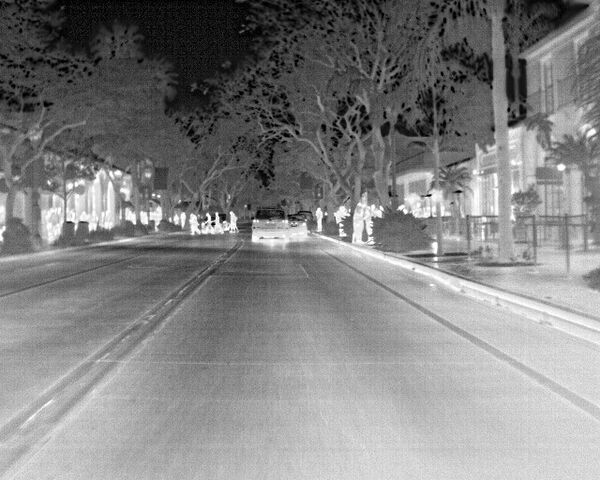 Thermal image
 -
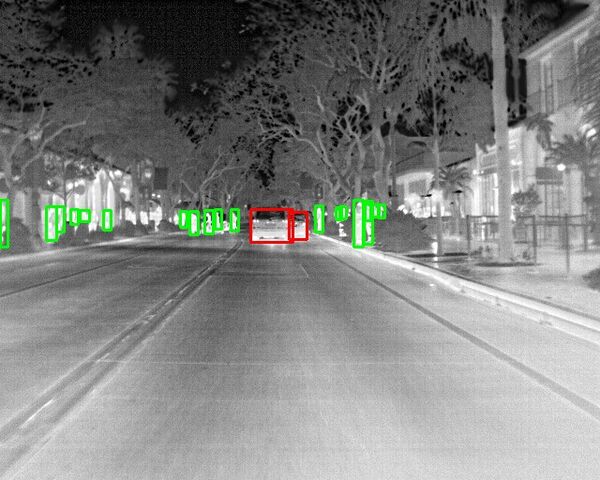 Detections


b. Communication

- one-to-many communication (merging communication channels, text and voice chat online full duplex without pushing the tangent - UHF / VHF, Bluetooth, WLAN or Wi-Fi (IEEE 802.11) / Wi-Fi Direct (p2p), LTE / 5G, SatCom Ka / Ku / V)
- voice, text, icons, and images (silent multichannel digital communications, the ability to instantly communicate using icons following the example of road signs and gestures of tactical groups)
- speech-to-text
- Software Defined Radio (significantly less traffic and interference, shorter sessions, higher quality and security, broadband signal transmission - one-to-many communication, compatible with analog radio transmitting devices, shows the entire radio air panorama in a given location, analyzes the spectrum, identifies weak signals and radio interference sources - ISR function, recording radio intercepts due to fast ADC)
- videoconferencing
c. Navigation

- maps and mapping
- compass
- route planning and path tracking (Artificial Intelligence)
- geolocation position exchange (own, friend, and enemy positions, incl. Cross-Domain Interaction)
- auto-tracking of own positions and execution of tasks (Artificial Intelligence)
- connectivity with ATAK-MIL system
d. Firing Assistance

- targets auto-capture and tracking (target lock & track, target detection)
- ballistic calculation (instant evaluation of external factors, distance, angle, satellite weather data, and multiple modes of aiming correction)
- speed measurement and calculation of preemptive
- instant aiming (integration with the digital and laser aiming devices, accurate shooting with both eyes open)
- target hit tracking and corrections
- easy access to shot history
- shooter's field of view and especially peripheral areas are not obstructed by the scope;
e. Detection

- passive radar detection
- external active phased radar connection (remote mobile radar, UAV equipped with radar)
- capture of enemy fire positions and missile launch positions (direct and indirect fire positions)
- motion and flashes detection
- missile engines heat & smoke traces
- face and object recognition
- emotion assessment;
- ambient sound filter (noise filtering and threat detection; UAVs, helicopters, engine sound, human speech identification; direct and reflected sound waves identification; determining the direction in which to search for the sound source)
f. Task management

- task control and checklists (ongoing, set by me, assisting, following)
- video and image recording, proof of completion
- task delegation and status monitoring
- reporting and auto-tracking
- connectivity with C4I systems and Battle Management Systems (electronic warfare systems, C4ISR / C5ISR: Elbit Systems, Rheinmetall, Leonardo, Lockheed Martin etc.)
- distributed p2p computing when running neural networks for complex AI, CV tasks (integrating the resources of tens and hundreds of users)
- real-time access to library and reference materials
- patient records and diagnostic cards (EHR integration)
g. Live-synthetic training environment (L-STE)
- connectivity with STE One World Terrain (OWT)
- mission preparation, mission rehearsal, mission analysis, mission debriefing
- C4I training (Cross-Domain Interaction, coordinating ground maneuver with fast air)
- training courses for the C4I staff with varied and customizable training paths
- support to functional and operational integration of heterogeneous tools (experienced tank training simulators, VR tank and combat vehicle simulators + camera mounted on a robot, flight simulators etc.)
- training and expert certification
| "Current Virtual Training | Future Training (STE) | |
| * unrealistic: sterile, predictable and contrived; | * realistic terrain, effects and interaction; | |
| * lacks dynamism; | * dynamic, trains problem-solving and mission command; | |
| * does not simulate human interaction; | * simulates human interaction and population dynamics; | |
| * poor data collection; | * collects and analyzes vast quantities of data; | |
| * does not train cross-domain convergence; | * enables multi-domain training; | |
| * systems are outdated and not interoperable; | * all systems are interoperable; | |
| * difficult to access, facility-specific, long wait times; and | * available at the point of need; and | |
| * 4–6 months to set up, inconsistently compatible formats. | * immediate simulations of any terrain through One World Terrain."[1][2] |
-
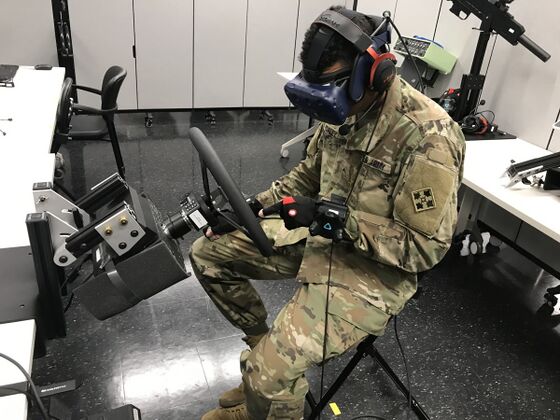 U.S. Army testing STE platforms
 -
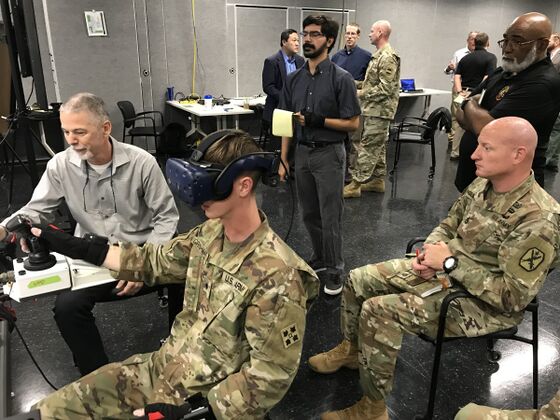 U.S. Army testing STE platforms
 -
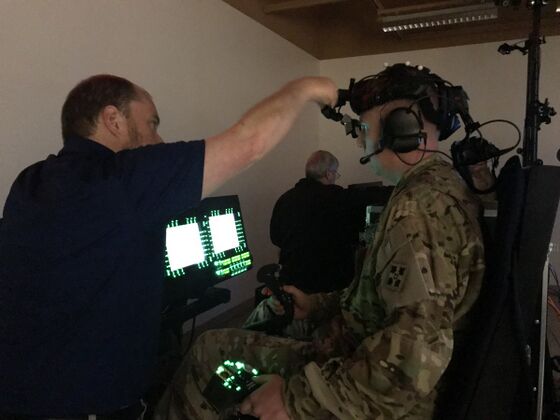 U.S. Army testing STE platforms


The project is in the prototyping stage. However, we have been engaged in Customer Development for a long time. Our primary focus has been on Problem-Solution Fit validation. To date, we have confirmation of interest from Army xTechSearch'6 U.S. DoD; Defense Innovation Unit, U.S. DoD; DARPA DSO; Lockheed Martin Co. VTC Systems; Planungsamt der Bundeswehr. We continue to build future relationships with military technology corporations, defense innovation agencies and laboratories of NATO and Israel defense departments, and collaborations with other defense startups. To date, we have not received any rejections of interaction due to the irrelevance of the problem being solved or the unsuitability of our proposed solution. We expect the conversion rate to be in the range of 15-25% once we are able to offer the MMP by successfully completing field tests.
At this point, the behavior of representatives of military-technical corporations, with whom we are trying to build future relationships for the collaboration and promotion of the product, is expected. We are making a fair amount of effort and are in direct contact with competent experts in the area. The conversion of cold leads to warm ones is also in line with our expectations. We have all the tools for effective communication. We are constantly working on improving the content in order to win the competition for the attention of experts.
Our main advantage is that we make a product that meets the needs of users much better, has more prospects for expanding functionality and costs at least 30% less than Microsoft IVAS and L3Harris ENVG-B.
A little above in the question "Compared to your competition, how do you compete with respect to price, features, and performance?" we detail the differences in features and price.
What is it that we are doing that is new or different, that is game-changing? Why are we not a “me-too” company or a “them plus feature (or feature feature feature bar)”? How do we substantively shift the competitive advantage so far into our court that others don't even have the right tools to play, or change the nature of the game altogether?
We came up with a way to combine fantastic features in one device and saw the direction that defense and security technology was heading. The idea of going to the moon was thought of long before Jules Verne, but the rocket wasn't built until technology caught up with the idea. We saw exactly how a device and software could be created today so that this line of products would solve long ripe defense and security problems. We were not at all intimidated by the notion that it would be impossible to break through the armor of bureaucracy and conservative attitudes. We saw the potential market two years ago. It is huge. And now, after a sequence of black swans, the world is again paying a lot of attention to security issues. Public attitudes are changing before our eyes. In Germany, for example, there used to be a perception that there were no threats to the defense forces and the budget was minimal and defense innovation was unpopular. But the year 2022 changed that. An advantage over the enemy in military confrontation, an advantage over threats in police and security services, an advantage over man-made and climatic disasters - this is what civilization needs now to survive. This is already undeniable. The advantages are being realized in different ways. Some have already been exhausted.
When asked about comparing our product to competitors, we answer on a guesswork basis. Because no one else in the world today has such a product. We have an opportunity to be the first. Just as engineers were once the first to put a man on the moon.
In our strategy and its part, which is presented in the roadmap, the following product development milestones: MVP Alpha, MVP Beta, MMP Gamma, MMP Delta. In the question about the steps in the evolution of the product, we disclosed this topic in more detail.
The product is so different, that's what we're talking about here, that I'd rather tell you how it's similar to the competitors' products.
1. IVAS

With Microsoft's IVAS - HoloLense product, our product combines only a few characteristics and features: weight, any augmented reality features (which are implemented differently, optically and electronically), hand tracking, voice control. The product promises map and positioning features, STE training features, and digital aiming device FWS-I integration. But these features are also implemented differently, from the interface and graphical view to the resource requirements of the device. Therefore, the architecture, electronic component composition, interface, and software capabilities are very different.
Key differences

Unsuitable technology. IVAS uses holographic optics when a light wave arrives at the border of the medium separation between the lens and the air above a critical angle, causing the effect of multiple total internal reflections between the front and back surfaces of the lens and fluorescence in the lens glass, which emits light in all directions. Therefore, IVAS uses thick internal lenses that glow in the dark, which is a major deficiency for defense and security use, making servicemen an excellent target for enemy snipers. To reduce this disadvantage, the IVAS uses an external tinted visor lens, which is also critical for the user in the dark, he loses situational awareness. This once again confirms the fact that the HoloLense 2-based IVAS was not originally designed for military use, but was created for educational and entertainment purposes:
-
 CAE’s augmented reality solutions transform healthcare education and training.
 -
 GIGXR is an immersive learning platform for medical and nursing schools, healthcare and enterprise globally.
 -
 The FDA-cleared SurgicalAR™ platform empowers surgeons with holographic navigation to transform procedural safety.
 -
 The Augmented Reality Anatomy Lab and Learning Platform.
 -
 RemoteSpark is an industrial augmented reality tool for remote support.
 -
 PTC solutions for industrial manufacturers are world class.
 -
 Trimble Connect bridges your 3D content from the screen to the construction site.
 -
 Hevolus solutions transform the buying process into an engaging and emotionally rewarding experience.


The displays on the HoloLens 2 are simple waveguide displays with a fixed focus of about two meters (6.5 feet). Because of the fixed focus, the displays exhibit Vergence-accommodation conflict, which is an unpleasant visual experience for the viewer.
Diffraction waveguides greatly affect the quality of the image. Let's say your enemy soldier is red and your friend is green. And you see pink... And you don't understand which color is distorted red or green.
Problem of dimming areas of the screen. IVAS, HoloLense 1 and 2, and other manufacturers of AR / MR / XR glasses and masks today have not solved the very important problem of dimming part of the screen. The fact is that the user sees a reflection of light rays or a fluorescent glow (holographic image) generated by the primary waveguide effect of light. But such glasses and masks cannot display dark areas. Because of this, a contrast image in daylight without artificial dimming is impossible. And artificial dimming, however, excludes situational awareness of the surrounding space. The user views the darkest parts of the image simply as background areas, no darker than the background. In its promos, Microsoft deliberately misinforms its audience by showing holograms with opaque black or other dark colors that are darker than the background. Therefore, this technology falls under the limitation for use during daylight hours. With our ARHUDFM product, we have found an elegant solution to the problem of dimming to display (parts of the screen) contrasting images during the day and in artificial light, so that the user can constantly view their surroundings without degradation, even in bright sunlight. For example, thermal images or video from a digital spotting device, drone, robot, other users' cameras, or cameras mounted on armored vehicles.
Insufficient field of view. IVAS has a lower FOV (80°h 28°v) than the ARHUDFM product (105°h and 70°v) or compared to normal optics. What does this mean? With a low FOV, you won't be able to distinguish small areas and details in the image. You will be very uncomfortable using the digital aiming device. After all, when you look through the eyepiece of a normal optical sight you view at least 60°h 60°v, i.e. together with the IVAS you don't see about half of it.


IVAS uses an LCoS projection module, while we use DLP. Both technologies are interesting:
| LCoS | DLP |
|---|---|
| LCoS can be used to control the phase of light in each pixel for beam control, so it is used by all holographic display manufacturers for AR. The LCoS can have a more compact size. You could say that HoloLense has no choice. | ARHUDFM does not use holographic optics, so with DLP it can display smoother (at 1080p FHD, 2K, 4K, 9K resolution) images without jitter, perfect geometry and superior grayscale linearity, higher contrast, wider color gamut, up to 35 trillion colors (the human eye can detect about 16 million colors). |
| LCoS chips are more resistant to high-power radiation than DLP matrixes because all elements are placed on a cooling pad. However, the loss of luminous flux in LCoS is higher than in DLP. Because of this, more powerful LED and laser sources are used. More power consumption and more cooling is required. | DLP pico projectors can emit light of more than 50 Lm, but such power in an AR devices is not required, and the index of loss of luminous flux is lower. Lower power consumption and more efficient cooling in compact sealed housing. |
| The LCoS uses a polarized light wave like many 3D glasses. During prolonged use, it causes increased fatigue, just like LED screens on computers, phones, and TVs. | With DLP, the light of the projected image is not polarized as such. |
| The distance between matrix elements is several tens of micrometers and the fill factor (the ratio of the total working area of pixels to the total matrix area) in LCoS is lower than in DLP. | In DLP projectors, images are created by microscopically small mirrors placed in a matrix on a semiconductor chip known as a digital micromirror device (DMD). These mirrors are so small that the pixel pitch of a DMD can be 5.4 µm or smaller. Each mirror corresponds to one or more pixels of the projected image. |
| LCoS is the third most popular technology after DLP and 3LCD (LCD), but has a much smaller market share, is close to 3LCD, but unlike the latter, uses reflective rather than translucent LCD matrices. LCoS creates images using a fixed mirror attached to the surface of the chip and uses an LCD matrix to control how much light is reflected. LCoS projectors today use mostly three-chip circuits based on monochrome LCoS matrixes since sequential matrixes have very low contrast. HoloLens 2 uses two Field Sequential Color (FSC) LCoS microdisplays from Himax. | DLP is a chipset based on optical microelectromechanical technology (MEMS) that uses a digital micro-mirror device. It is also used in about 85% of digital cinema projections (including IMAX, and RealD) and in additive manufacturing as a light source in some 3D printers for curing resins into solid three-dimensional objects. ARHUDFM uses a single microdisplay manufactured by Texas Instruments. |
| LCoS are more expensive. | DLP has a lower price and makes the final product cheaper. |
Lens fogging problem. Another disadvantage is the problem of fogging of the lenses. The fogging effect occurs even when the air temperature outside drops slightly. It is enough +5-10°C (41-50°F). No matter what translucent material the lens and visor are made of (glass, polycarbonate, polyurethane, etc.), when moving from a cooler state to a warmer one, condensation appears on the surface, as the lens material has temperature inertia and in conditions of contrast of lens and air temperatures, a dew point is formed on the lens surface. This appears in the following cases:
- Rapid temperature changes. In the fall, winter, and spring, the temperature in any room is warmer than outside. When you go indoors from the street, the cold lenses meet the warm air. Water vapor from the warm air settles on the surface of the cold lenses in the form of small droplets. Condensation forms.
- The lenses fog up on their own. When you are out in the cold, the lenses become cold and the warm air that you exhale rises up. Again there is a temperature difference and fogging occurs.
- Fog. When humidity is high, condensation will form on the lenses not only indoors, but even outdoors.
Chemical agents against lens fogging have little effect. Our product solves this problem by sealing the inner lens from the outer lens and by sealing around the face contour when using the lower part of the mask.

High power consumption and insufficient battery capacity. The IVAS electronics based on a single board computer SoC Qualcomm Snapdragon 850; HPU; RAM 4Gb LPDDR4x system DRAM; 64 Gb flash; WLAN 802.11ac; Bluetooth 5; is one of the most performant for compact devices today, but also more expensive than the one we use in our device. IVAS uses 7 cameras vs. 4 cameras in our product and a higher performance GPU. This significantly increases the power consumption of the system components. And with the IVAS's lower battery capacity and higher power consumption, the claimed battery life is 7-8 hours (it was 2-3 hours in tests), which is critically low for defense and security use. Microsoft offers a simple solution, with 3 interchangeable batteries included. However, in order for the user to replace the battery, he has to perform several actions: take off the mask and gloves, take off the backpack, open it and take out the replacement battery, turn off the device, open the lid of the mask housing, remove the battery from the device, insert a fresh battery, turn on the device, put the battery in the backpack, close it and put it back on, put on the mask. As you can see, it's not quick. But that's not the problem. The battery can run out at a very unsuitable time, the IVAS will just turn off and become an obstacle. It could also be raining or snowing and you can't allow moisture to get inside the electronic device. It may be dark and you can't quickly change the battery, unlike a quick magazine change of a firearm, which can be done by feel. With the ARHUDFM mask, we have thought of this and the non-removable battery capacity is 40,800 mAh, which is equivalent to a lifetime of over 72 hours. And in special cases, when you want to increase the continuous life of the device, the user can connect the power bank from the backpack without removing it, but only by reaching into the pocket and inserting the cable into the connector on the back of the mask.


Passive cooling problem. Another problem is the cooling of electronic components inside a sealed case, especially the processor (CPU), the graphics processing unit (HPU), the RAM chips, and the battery. Air cooling breaks the seal and moisture and dust can enter. Air cooling is not possible with sealed designs. Liquid cooling is not possible for wearable compact devices. Using aluminum for the outer casing of a wearable device is ineffective because the casing will be heated by direct sunlight to the point where the processor protection kicks in and the processor starts to decelerate until it shuts down completely. IVAS has passive cooling (no fans), i.e. containing one or more of these disadvantages simultaneously, which is a critical problem for defense and security applications.


Problem of fatigue and increased strain on the cervical spine. The IVAS has a mass of 2.5 lbs (expected to go down to 1.8 lbs). This does not seem to be much for an adult and sturdy person. But the center of mass protrudes forward several inches. This creates torque, which was noted during tests at the Soldier Lethality Cross-Functional Team, based at Fort Benning, GA. According to military experts, weight reduction is desirable, but not critical. But the generated torque is a serious disadvantage. For example, in used night vision devices, there is also a high torque (the weight of the device is about the same), but when the device is not in use, it can be folded upwards and almost completely get rid of this negative effect. With our ARHUDFM, the center of mass is centered around the head, so the torque is not felt, despite the comparable mass of the device.
Problem with lack of multimedia. Microsoft HoloLens 1 and 2 and IVAS do not include an audio headset. U.S. Army personnel are pictured during field tests using headsets from other manufacturers that are compatible with the ballistic helmet. On the one hand, this does not allow for the integration of video and audio. On the other hand, it is a predetermined limitation for future functionality development. After all, combining multimedia with Software Defined Radio and next-generation networks, speech-to-text technology and one-to-many written/symbol communications with high quality and with short sessions opens up disruptive capabilities for every serviceman. We discuss the communications challenges and challenges for Cross-Domain Interaction in more detail here.
Problem of hanging wires. The IVAS has a remote calculation module with a joystick for control (Puck). This module is connected by a thick cable directly to the helmet (Puck-to-HUD cable). The digital sight camera and the external power supply are also connected to the Puck module. The fourth cable goes from the headset to the portable handheld radio via a pluggable remote tangent. The fifth cable goes from the portable handheld radio to the external antenna. Most of the cables are looped, fixed, and go in the front between the pockets for the spare magazines of ammunition and grenades. This is fine for blog photos, but not acceptable in practice. A serviceman with that many wires and loops of them will absolutely get caught when getting in and out of an armored vehicle (and it should take no more than 8 seconds for 8-12 people to do so). Also, the trooper will not be able to crawl and rotate while lying down. Hanging cables will be in the way when troops are wading through trees and bushes. Finally, cable loops could create a dangerous situation when changing a magazine or retrieving a grenade. In our ARHUDFM product, we do not use external cables, all modules are compactly located inside the mask housing. Even the Software Defined Radio module is integrated. The exceptions are the external antenna, the flexible drinking system pipe, and the flexible compressed air container pipe (for firefighters). However, the route of these communications runs mostly on the back and does not require hanging loops. Other devices may be connected (optionally), but these connections, too, will not critically disturb crawling, shooting in the supine position, and the safe use of ammunition in the front chest pockets.
Problem of price and budget's willingness to pay it. Based on the published information about the DoD and Microsoft contract, the price of one set of devices is more than $55,000. This is more than twice as much as the thermal imaging night vision devices used today. And it is more than 5 times the LTV (live-time value) per ARHUDFM user. Initially, it was announced that Microsoft had a contract amount of $21.88 BN.[3] It's not immediately clear when the Army, as well as the U.S. Marine Corps and elements of U.S. Special Operations Command, might expect to reach an initial operational capability with the IVAS system. The service says that there is still further test and evaluation to be done even after signing this new contract. Future budgets could have an impact on the project, as well. Congress notably trimmed $230 million from IVAS's research and development in the National Defense Authorize Act (NDAA), which was passed and signed into law earlier this year.[4]


Upcoming IVAS perspectives
US Army leadership does not want to buy additional Enhanced Night Vision Goggle-Binocular (ENVG-B) in 2023 but does plan to acquire Microsoft's militarised HoloLens 2 augmented reality (AR) system if technical problems have been fixed, service officials told reporters on 29 March. The army's fiscal year (FY) 2023 budget request includes $424M to buy “night-vision devices” next year, with $400M from that pot earmarked to purchase 7,272 Integrated Visual Augmentation Systems (IVASs), according to Brigadier General Michael McCurry, the director of force development, and a subsequent email to reporters. Based on these numbers, each IVAS unit will cost the army just over $55,000, a sharp increase over the FY 2022 per unit cost of $25,490.
Next year’s IVAS procurement plan is significantly less than the $854M army leadership requested to spend on buying the heads-up display in 2022. This 2022 request was made before the service postponed fielding the devices due to software and hardware problems. Lawmakers, in turn, cut $394M from the IVAS procurement coffer. Since the Pentagon has not released its budget justification documents, which are anticipated to include five-year spending plans, it is not clear when the army intends to ramp up IVAS procurement spending. The FY 2023 request also includes $64.6M to develop the next IVAS prototype and buy 270 units of this “1.2 version” for testing and development, the army told reporters on 30 March.[5]
This is a full video of the IVAS presentation on Dec. 21. 2021 by IVAS Technical Director Jason Regnier. A detailed breakdown can be found at the following link:
- 6:12 The IVAS operating system does not support running the ATAK navigation application
- 18:00 IVAS does not use eye-tracking to control the focal length, all of the controls are done through the buttons on the Puck
- 24:10 Negative feedback came on the Puck-to-HUD cable. Jason Regnier, Technical Director of the IVAS program, states that they are working on ways to better secure it
- 27:00 IVAS goggles under exertion would fog up and the soldiers would take them off
- 29:31 the system will not be cleared for parachute drops and must be taken off
- 30:00 primary restriction on working on the other battle drills was the outdoor performance of the display
- 34:20 they were aware of display issues going into testing, but they 'were not sure just how bad it was', there were 'dark spots' in the display and they were too much, resulting in them halting the test
- 36:00 they have no plans to move to a wireless headset HUD-Puck connector, as there is just 'a lot of information that has to come down' and power has to be run to the headset via cable anyways.
The US Army is taking delivery of a first batch of high-tech combat goggles made by Microsoft Corp., citing encouraging results from testing in the field. Assistant Secretary for Acquisition Douglas Bush has “cleared the Army to begin accepting” some of the 5,000 sets of goggles, spokesman Jamal Beck said in a statement. Their delivery had been placed on hold over concern about the device’s performance until more rigorous testing took place. Based on the test results so far the service “is adjusting its fielding plan to allow for time to correct deficiencies and also field to units that are focused on training activities,” Beck said.[6]
2. ENVG-B

This is the new networked night vision system from L3Harris Technologies. Soldiers get real-time, actionable intelligence through the fusion of Image Intensified (I2) white phosphor tubes and thermal imaging. Soldiers keep eyes on target without having to look down to read maps or check radios for critical information. Soldiers can see around corners without risk of exposure
Allows soldiers to identify, assess and engage targets with greater accuracy and speed.
Man-sized target recognition (upright moving man):
- 90% probability at 50 meters in limited visibility (such as fog, salt fog, haze, mist, snow, dust, smoke, and other battlefield obscurants like white phosphorous (WP), hexachloro-ethane-zinc oxide (HC))
- 80% probability at 150 meters (threshold) and 300 meters (objective)
- 50% probability at 300 meters (threshold) and 550 meters (objective)

Total system characteristics:
- Weight 2.5 lbs (threshold) and 1.5 lbs (objective)
- Dimensions (L×H×W): 4.2” x 4.5”x 3.9” (goggle)
- Resolution (lp/mm): 75 lp/mm
- Tube form factor: 18mm
- Field of vision (FOV): 40°, thermal imaging cam 32°h 24°v
- System zoom: 3×
Operating hours (continuous fusion):
- Greater than 7.5 hours (threshold) and 15 hours (objective)
Multi-point wireless interface to FWS-I, NETT Warrior that supports information assurance requirements to provide RTA and AR capabilities, and Small Tactical Optical Rifle-Mount (STORM), Laser Target Locator Module (LTLM), Joint Effects Targeting System (JETS), Lightweight Laser Designator Rangefinder (LLDR) or other laser range finders, which provide targeting information.[7]
Key differences
Has limitations for use in daylight hours. This is the Army’s first heads-up display that is both day and night capable, fusing white phosphor and thermal vision at the push of a button. Provides the capability to engage and execute close combat, combat support, and combat service support operations in very low-light (starlight) conditions. ENVG-B allows the individual Soldier to see, understand, and act first during all limited visibility conditions. The goggles combine the visual detail in low-light conditions that is provided by image intensification coupled with the thermal sensor’s ability to see through fog, dust, and smoke. This thermal capability makes ENVG-B useful during the day as well as at night, unlike earlier night vision devices. Higher resolution stereoscopic displays (1280x1024, SXGA) allow for faster target acquisition by improving separation of targets from background, for maps and information overlay. Additionally, ENVG-B will receive wirelessly transmitted weapon sight crosshair and thermal imagery from the Family of Weapon Sights-Individual; thus, providing a Rapid Target Acquisition capability that enables Soldiers to detect, recognize, and engage targets accurately from any carry position and with significantly reduced exposure to enemy fire. The ENVG-B is also interoperable with Nett Warrior through wireless transmission of Augmented Reality to improve the Soldier’s situational awareness.
The ENVG-B POR is a helmet-mounted individual night vision device that has an integrated long-wave infrared (LWIR) thermal sensor and white phosphor dual Image Intensification (I2) tubes. The fused I2 and thermal display can be used during low and high light levels, extreme weather, and with obscurants. The ENVG-B is interoperable with the Family of Weapon Sights-Individual (FWS-I) for a Rapid Target Acquisition (RTA) that provides the Soldier the ability to accurately engage targets without shouldering the weapon and execute offset shooting. ENVG-B operates on the Intra-Soldier Wireless (ISW) network with Nett Warrior (NW) allowing the Soldier to receive and display navigational, targeting, and situational graphics.

Insufficient field of view. FOV 40° will not allow you to distinguish details in the overall picture without zooming in, the 32°h 24°v thermal imaging camera FOV further limits your ability to view. And with optical zoom, there is a loss of situational awareness up close, especially in the peripheral vision zone to the right and left of the user. This creates significant vulnerabilities during tactical use.
In addition, the 3x zoom is insufficient for safe observation of the surroundings. This was probably a forced compromise or a technical limitation. Army binocular systems for the C4ISR are usually equipped with optics with 8-12x magnification. This also applies to observation posts and fire correctors.
From the practice of use, it is known that the insufficient field of view results in users using only one monocular instead of the binocular capabilities of the device, lifting the other one to the upper position. The advantage of binocular vision, for the sake of which the engineers developed this model, is not used at all. The disadvantage of the monocular has long been revealed in tests. It is difficult for a person to concentrate on information from one eye, while the other eye captures other images.
Problem of fatigue and increased strain on the cervical spine. High torque. Due to the significant shift of the center of mass of the device forward. In our opinion, this disadvantage is not different from the same problems with IVAS.
Network integration and software features. Wireless Network to deliver real-time video and target asset information within the goggle display which interfaces with the U.S. Army’s Nett Warrior programs.

Problem of price and budget's willingness to pay it. Delivered more than 6100 ENVG-B systems to U.S. Army combat-ready divisions and brigades. Conducted more than a dozen soldier touchpoint events. Scheduled to deliver more than 10,000 systems by the end of 2021. Awarded $391 million sole source directed requirements contract in 2018. Awarded $12 million phase 1 program of record contract in 2019. Awarded $442 million Other Transaction Authority for the ENVG-B program of record in 2020.
US Army leadership does not want to buy additional Enhanced Night Vision Goggle-Binocular (ENVG-B) in 2023 but does plan to acquire Microsoft's militarised HoloLens 2 augmented reality (AR) system (IVAS) if technical problems have been fixed, service officials told reporters on 29 March.[5] Based on these numbers, each IVAS unit will cost the army just over USD55,000, a sharp increase over the FY 2022 per unit cost of USD25,490 (ENVG-B).
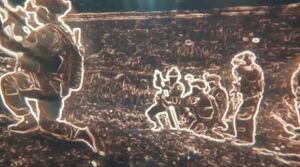
Upcoming ENVG-B perspectives
Disadvantages of the device are a very small field of view, strongly protruding dimensions and center of mass at the front, high torque, and dimensions in the folded state increase the risk of breakage when bumping into hard objects (e.g. when exiting an armored vehicle). Very limited area of use, mainly only for infantry and operational units in twilight and stellar lighting conditions ("unparalleled low-light night clarity").
The other version of the device BNVD is not significantly different from ENVG-B. L3Harris reports no contract information for this modification.
The ENVG-B is both an optical and a digital device. However, its digital capabilities are limited. Looking ahead, other fully digital devices (such as the ARHUDFM) with large bright contrast displays, a wide field of view, a high-performance computer module on board, and advanced sensors, as well as a large number of digital assistants using Computer Vision and Artificial Intelligence technologies do not stand a chance of future interest in the ENVG-B.
The SBNVG model, similar in features, is being developed by the Israeli corporation Elbit Systems. Elbit Systems of America LLC was awarded a delivery order valued at approximately $41 million for the supply of night vision systems and various spare components to the U.S. Marine Corps. The order will be executed in Roanoke, Virginia, and will be supplied through March 2022. This order is part of a $249 million five-year Squad Binocular Night Vision Goggles Indefinite Delivery Indefinite Quantity (IDIQ) contract from September 6, 2019, under which the U.S. Marine Corps are supplied with Squad Binocular Night Vision Goggle (“SBNVG”) systems consisting of high-performance, white phosphor image intensifier binoculars, modular uncooled thermal imaging sensors, and common external power supplies – providing Marines improved mobility and situational awareness during night operations.[8] Later there was information that the execution of the contract was delayed by a year and will be supplied through September 2023.[9]
A similar device (ENVG III/ FWS-I night vision mobility and targeting system) was also developed by BAE Systems.
L3Harris is nervous about the future of ENVG-B military orders, so it has contracted with Vuzix to co-develop the AR device. L3Harris Technologies has signed an agreement with Vuzix Corporation to develop a customized waveguide-based optics engine that is intended to be used in headborne systems designed for military applications.[10]
3. SMASH Family

Smart Shooter develops state-of-the-art Fire Control Systems for small arms that significantly increase weapon accuracy and lethality when engaging static and moving targets, on the ground and in the air, day and night. With proven “One Shot – One Hit” precision, our SMASH product line empowers defense and security forces by maximizing rifle effectiveness against enemy targets while minimizing friendly casualties and collateral damage. Based on Artificial Intelligence, Computer Vision and Machine Learning technologies, SMASH is also designed to interconnect with other operational resources to form a micro-tactical network that delivers real-time situational awareness.

Main System Modes:
- Etched reticle mode / Aiming Dot - accurate reflex sight
- Day mode fire control assisted shots using see-through projected markers
- Night mode fire control assisted shots using low light video display
- Clip-On mode fire control assisted shots using night vision clip-on
Multi-Operational Use:
- Ground target elimination, static and dynamic targets up to 400 m (Day Mode)
- Small UAS kinetic elimination up to 250 m (Day Mode)
- Ground target elimination, static and dynamic targets up to 400 m (Night mode)
Main Components & Installation:
- Sighting Unit - mounts on existing MIL-STD-1913 rail
- Fire Block Mechanism (FBM) - incorporated in a replacement weapon grip (and trigger guard)
- Quick on-site installation
Magnification: X4 Supported Weapons: M4, AR15, SR25 (M110) Integral Fire Control Computer:
- Target lock & track
- Dynamically updated firing zone and synchronized shot
- User selection of different ballistics
- Compensation for wind, inclination, cant
- Enables future capabilities addition through software upgrades
Size (L x W x H):
- W/O LRF 206 mm X 89 mm X 83 mm
- W/ LRF 206 mm X 102 mm X 83 mm
Weight:
- W/O LRF 1120 g (Sight)
- W/ LRF 1250 g (Sight)
Power Source:
- Rechargeable Smart Lithium Ion battery pack
- 72 hours or up to 3600 SMASH-assisted shots
Laser Range: Finder Optional, up to 1000 m
MIL-STD Compliance: MIL-STD-810G, MIL-STD-461E

Lock & Track. Once locked onto the target, SMASH tracks its movements in sight - even through a crowd –helping improve user situational awareness, easing their mental load, and ensuring that when the time comes, the system will make that first shot count. Using the button on the barrel, the shooter "locks" the target. "The shot will be fired only when the system says that the shot is in the middle of the target."
Target Detection. Simple, intuitive controls on the weapon allow the users to select and confirm the target without moving their hands.
Drone Mode. Software built into the SMASH fire control system can recognize unmanned aerial vehicle targets, automatically track them and help shooters eliminate the threat.
Digital Zeroing. SMASH can be used to automatically 'zero' the weapon, minimizing training overhead for inexperienced shooters.
Key differences
Insufficient field of view. The small LCD screen relative to a person's general field of vision will not allow you to quickly recognize targets and threats (FOV 24°-6°). It will also illuminate your face in the dark.

Optical magnification. The optical magnification is 1x for the 2000 and 3000 models and 4x for the X4. This is enough for most tactical applications up to 300 and 600 yards (4x). But if a target needs to be hit at 900 yards, or for snipers with a range of 1,500 yards or more, this device will not help them. Most military and police snipers work with 3-9x42 and 3-12x50 optics, more rarely 4-16x50, even more rarely 3.5-25x56, 4.5-27x56 and 7-35x56.
These days long sniper rifles come with a computer system in which you can put in the humidity, elevation, temperature, wind, spindrift, and even the Coriolis effect aka the “spin of the Earth” and make the adjustments to your scope/sights. So despite the exit pupil and brightness issues, shooters are demanding “more power” these days and the scope manufacturers are providing new products with ever-greater magnification levels. Right now, the most powerful conventional riflescope you can buy is the March X-Series 8-80x56mm scope! That means a massive 80x magnification range. However for what it’s worth when you firing at targets over 2000 meters (1.26 miles) with the best match grade ammo and a high-powered scope either .338 Lapua Magnum or .50 cal at that distance you are what they call “eyeballing” it to a certain degree and are not going to hit the target 9 out of 10 times. You may have a clear head shot of the enemy over 2000 meters away with your 80x magnification scope however it’s not that easy.
In the ARHUDFM device, we not only use a complex algorithm of ballistic calculations according to 12+ parameters but also Machine Learning based on the history of shots in a given area under similar conditions, including by other shooters. We use Computer Vision technology to track the point of impact, as well as to make the image as clear as possible for the shooter at high magnification (24x), to correct for climatic variables such as mirage. The MIL/MOA reticle will remain the same size across the zoom range. And, of course, we've thought about the shooter's user experience itself. The shooter sees the image from the stereo camera of the mask along with the scale, as well as the point of sight line. If the sight line is outside the view area boundary, the system tells him which way to move it and how far (important at high magnification). After the test shot, the shooter sees the corrective adjustments on the same screen and can immediately fire again, which is very important for a moving target. Some shooters do this "by eye", and some lose time by making additional corrective adjustments to the scope. The ARHUDFM shows the necessary correction deviation instantly. The shooter must not lose sight of the target by keeping it in the field of view of the stereo camera at all times. The shooter also does not lose visual situational awareness around him, including peripheral vision and rear view, and does not need to cover one eye. This shooting technique is much easier and faster. In addition, there is no need for a second number, a spotter. And the shooter does not become vulnerable during aiming and firing.

Laser Range Finder. An optional integrated Laser Range Finder (LRF) enables range measurement both as a user-initiated capability as well as a system input for improved precision. In our opinion, the use of laser rangefinders is dangerous because it de-masks (exposes) the firing position to the enemy using a thermal imaging camera. In the ARHUDFM the measurements are taken with a stereo camera and at night with a thermal imaging stereo camera.
Limitations on use. Limitation on the types of small arms used. Not applicable to other types of ballistic weapons: machine guns, grenade launchers, mortars, and artillery guns.
Upcoming SMASH perspectives
In our opinion, this is a very promising development, despite its limitations. It offers connectivity with C4I systems, Battle Management Systems and external sensors. Smart Shooter approves that it has completed the delivery of thousands of additional SMASH systems for the IDF and other customers during 2021, the company writes. The price of one set of devices is more than $4,500. Defense agencies in the United States, Netherlands and Austria purchased the first SMASH systems in 2022.[11]
4. RED 6
Lockheed Martin заявляет, что более 5 лет самостоятельно работает над разработкой AR устройства. Однако никаких публикаций и подтверждений этому нет. Вместе с этим LMC несколько лет назад вместе с SBIR программой инвестировала в проект Red 6, который работает над созданием STE для пилотирования военной авиации. Это интересный многообещающий, но узконаправленный проект, Технических подробностей нет. Представленная в медиа визуализация является рендером, а не актуальным видом сквозь линзу устройства.
- description, area of use - characteristics
Key differences Problem of dimming areas of the screen. Has limitations for use in daylight hours. Insufficient field of view. Lens fogging problem. Passive cooling problem.' Problem of fatigue and increased strain on the cervical spine. Problem with lack of multimedia. Problem of hanging wires. Network integration and software features. Problem of price and budget's willingness to pay it. Upcoming ENVG-B perspectives
5. Другие военные агентства и военно-технические корпорации
C5ISR CCDC (DEVCOM), DARPA, Elbit Systems, Airbus Defence также на протяжении многих лет упоминают о проектах по разработке AR устройств. Но судя по визуализациям, это обычная компьютерная графика, а не полученные примеры в ходе демонстрационных тестов. Обычно, в как в случае с IVAS, официальные оборонные медиа публикуют хотя бы скудную информацию, чтобы продемонстрировать, что программа не отложена, а финансируется и есть промежуточные результаты. Как минимум эскизы и нерабочие прототипы. Но в данном случае, скорее всего, речь пока идёт о дальних планах и желании, чем о реальных результатах разработки проектов.
На наш взгляд только первые четыре вышеуказанных проекта заслуживают внимания в настоящее время. Более всего, конечно, проект IVAS, так как даже при значительных недостатках он имеет финансирование и поддержку в DoD. Но динамика развития проекта и величина недостатков оставляет большие возможности для других разработчиков, прежде всего малоизвестных стартапов. Ключевым на наш взгляд фактором успеха, как в случае SMASH, является работа без оглядки на технологии конкурентов, а разработка с чистого листа собственной технологии, максимально адаптированной для нужд обороны, служб безопасности, пожарных, экстренной медицины, хирургии и стоматологии. Понимание User experience целевой аудитории само подсказывает нужные решения из ряда известных научных методов, доступных электронных компонентов и материалов.
- description, area of use - characteristics
Key differences Problem of dimming areas of the screen. Has limitations for use in daylight hours. Insufficient field of view. Lens fogging problem. Passive cooling problem.' Problem of fatigue and increased strain on the cervical spine. Problem with lack of multimedia. Problem of hanging wires. Network integration and software features. Problem of price and budget's willingness to pay it. Upcoming ENVG-B perspectives
Предшественники IVAS, актуальные решения и тренды
Развитие направления улучшения человеческих систем, мобильных инновационных средств C4ISR и Cross-Domain Interaction продолжается многие годы. Из наиболее заметных концепций и программ можно выделить следующие:
6. Land Warrior (1989 - 2012)

Internationally, there are several similar development programs, these include IdZ (Germany), FIST (UK), Félin (France), Land 125 (Australia), MARKUS (Sweden), Soldato Futuro (Italy), IMESS (Switzerland), Projekt TYTAN (Poland), ACMS (Singapore). Программа включает несколько подсистем:
- Оружие. Он включал в себя само оружие, а также такие компоненты, как дневной видеоприцел, тепловизионный прицел и MFL (многофункциональный лазер), а также позволяли солдату стрелять из-за углов или за укрытием, фактически не подвергая себя вражескому огню.
- Интегрированная сборка шлема. Сочетала легкий усовершенствованный шлем с компьютером и OLED - дисплеем, который предоставлял различную информацию от цифровых карт и местонахождения войск до видеокамеры, установленной на оружии. Это то, что позволило бы солдату видеть (и стрелять) из-за угла. В HSS также есть микрофон и гарнитура.
- Защитная одежда и снаряжение. Система Interceptor Body Armor и несущая система Modular Lightweight Load-carrier Equipment ( MOLLE ), находящиеся сегодня на вооружении армии США , частично являются результатом программы Land Warrior.
- Компьютер. Устройство на базе носимого компьютера на ядре процессора ARM.
- Навигация. Использование системы идентификации свой-чужой IFF. Навигационная подсистема (NSS) предоставляла информацию о местоположении, она объединяет приемник GPS и модуль счисления пути (DRM), который поддерживает точное местоположение, когда сигнал GPS становится недоступным.
- Радио и сети обмена данными. Использование SINCGARS шлюзовой радиосвязи. Использование беспроводной сети на базе IEEE 802.11, децентрализованного одноранговой сети MANET. Подсистема данных о местоположении сети (CNRS) основана на EPLRS .
- Программная система. Программная система Land Warrior основана на варианте операционной системы Linux и имеет модульную открытую архитектуру для дальнейшего улучшения. Надежность недавних испытаний в Форт-Беннинге была чрезвычайно высокой. Пакет программного обеспечения Land Warrior содержит шесть основных пакетов программного обеспечения для прицелов и данных.
Land Warrior была первой сетевой системой солдат армии США, которая использовалась в бою с тех пор, как в 1989 году зародилась концепция сетевых солдат . позже была развернута с системой в Афганистане, а Land Warrior продолжала использоваться до весны 2012 года. Армия основывалась на Land Warrior с системой наземного солдата (GSS) в качестве ее преемника, усовершенствованной интегрированной системой ситуационной осведомленности для спешенных солдат, которая вступила в технологическую разработку в феврале. 2009. GSS Increment 1 был переименован в Nett Warrior в июне 2010 года.
7. Nett Warrior (2012 - настоящее время)

Nett Warrior (formerly known as the Ground Soldier System) followed the Land Warrior system. The system provides situational awareness (SA) to the dismounted leader with the aim of enabling faster and more accurate decisions in the tactical fight. The system includes navigation, SA, and information-sharing capabilities. The goal was to enable leaders to avoid fratricide and have increased effectiveness in the execution of their combat missions.
The NW program focused on the development of the SA system. This includes a digital, graphical display of the leader’s location on a digital geo-referenced map image along with Soldier and leader locations. The display is hands-free. The software connects through a secure radio to send and receive information from one NW to another, connecting the dismounted leader to the network. The radio also connected the equipped leader to higher echelon data and information products. Soldier position location information is provided via interoperability with the Army’s Rifleman Radio capability.
NW employs a system-of-systems approach, optimizing and integrating capabilities while reducing the Soldier’s combat load and logistical footprint.
Nett Warrior was being upgraded and tested to receive full-motion video streams from small unmanned ground vehicles and unmanned aerial vehicles.
Land Warrior allowed combat leaders to track the locations of their men and view maps and other tactical information through a small helmet-mounted computer screen, featured a microcomputer processor for storing maps, mission-specific imagery, and graphics, used a navigation system to track the subordinate leaders' positions which appeared as icons on a digital map, and had a digital voice and text radio to send e-mails and talk to others wearing the system.
The first increment of Nett Warrior was introduced at the Network Integration Evaluation 11.2 assessment in spring 2011. The system was essentially the Land Warrior ensemble with enhanced software, sharing its weight disadvantage of about 10 lb (4.5 kg). After NIE 11.2, efforts were redirected to using simpler and lighter commercial off-the-shelf (COTS) hand-held solutions that integrated a hand-held screen device with the Rifleman radio transport mechanism. The new design weighed less than 3 lb (1.4 kg) and participated in the NIE 12.1 assessment in November 2011. Nett Warrior is based on an “end user device,” essentially an Android or iPhone-like smartphone tied to the Rifleman handheld radio, to link into command-and-control networks and use applications to call in fire support, plan and coordinate operations, and track friendly forces.
8. Android Team Awareness Kit (ATAK) (2014 - настоящее время)

is an Android smartphone geospatial infrastructure and military situation awareness app. It allows for precision targeting, surrounding land formation intelligence, situational awareness, navigation, and data sharing. This Android app is a part of the larger TAK family of products.[1] ATAK has a plugin architecture which allows developers to add functionality. This extensible plugin architecture that allows enhanced capabilities for specific mission sets (Direct Action, Combat Advising, Law Enforcement, Protection Operations, Border Security, Disaster Response, Off-grid Communications, Precision Mapping and Geotagging). As of 2020, ATAK has a growing base of 250,000 military and civilian users across numerous public safety agencies and US partner nations, and has seen the addition of 15 United States Department of Defense programs.
ATAK pulls data from a variety of sources and puts it all on one 3D map that teams can view on a mobile device and mark up as they go. In a wildfire, for example, aerial video from each UAV can be overlaid on this map, showing exactly where the fire is. As firefighters explore the terrain and discover new fires, they can add them to the map. They can also see dots representing the GPS location of other team members, trucks and aircraft. Teams can even leave digital “breadcrumbs” to mark their path. When ground crews need aircraft to drop fire retardant foam, they can simply draw a line where they want the foam and send it to the aircraft crew. They can also add markers to indicate meeting points or refueling stations.
Summary
As can be seen, defense engineers and engineers at military-technical corporations have been developing mobile electronic assistant systems for members of various branches of the military, including maintenance personnel, for several decades. However, most of the failures of the past have been blamed on the mismatched technology of the time - performance, functionality, weight, and price. Nevertheless, defense engineers did not create their own products during this time, but adapted proprietary and commercial technologies for their tasks, including mass-produced products such as smartphones and tablets. Dozens of military-technical and IT companies were involved in developing solutions. These approaches continue today. Microsoft, L3Harris, Lockheed Martin, Elbit Systems, BAE Systems, Raytheon, Rheinmetall, General Dynamics and other military technology corporations in the United States and worldwide. We believe there will be four to seven companies competing in this market in the future, as there are in other military and security contracting sectors.
Now, finally, technology has caught up with ideas. We can and are ready to offer our solutions for the military, police, public and private security forces, rescue workers, paramedics and surgeons to the markets of several countries.
-
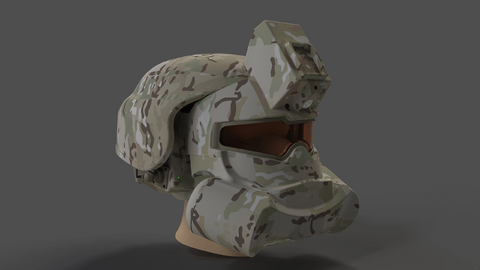 Furtherium
 -
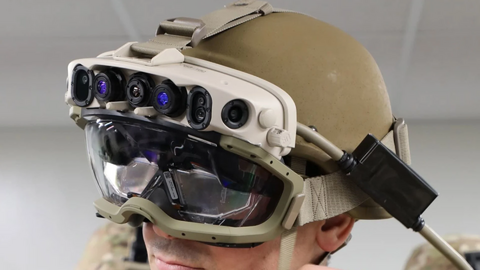 Microsoft IVAS
 -
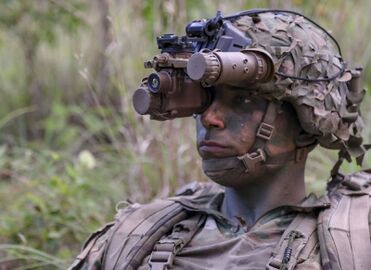 L3Harris
 -
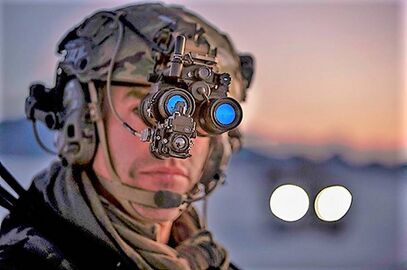 Elbit Systems


Answer.
Answer.
Answer.
Recruiting
Answer.
Answer.
Answer.
Who would be your next hire? Who would you hire or how would you add to your team? How many employees do you have?
Roadmap
Answer.
Answer.
What are you going to do next? Six months from now, what’s going to be your biggest problem?
Team
Answer.
Answer.
Answer.
Answer.
Answer.
Answer.
Answer.
Answer.
Answer.
Answer.
Who is “the boss”?
Will your team stick at this?
How did your team meet?
Who in your team does what?
What domain expertise do you have?
Why did your team get together?
In what ways are you resourceful?
Would you relocate to X?
What will you do if we don’t fund you?
How do we know your team will stick together?
Team Experience
Answer.
Answer.
Answer.
Answer.
Answer.
Answer.
Answer.
Answer.
Answer.
Answer.
Answer.
What else have you created together? What’s the worst thing that has happened? What’s an impressive thing you have done? Tell us something surprising you have done? What problems/hurdles are you anticipating? What obstacles will you face and how will you overcome them? What’s the funniest thing that has happened to you? What systems have you hacked? What’s the biggest mistake you have made? Tell us about a tough problem you solved? What’s the funniest thing that has happened to you?
Timing
Answer.
Why hasn’t this worked before?
See also
- 7-min pitch
- Pitch Deck for Business Angels
- Calculations
- Business Processes Flowchart
- Production Scheme
References
- ↑ Second Lieutenant Jeremiah Rozman, U.S. Army, PhD, "The synthetic training environment", "AUSA", (Arlington, VA: Association of the United States Army - AUSA, December 10, 2020)
- ↑ Joe Lacdan, "Army testing synthetic training environment platforms", "army.mil", (6000 Defense Pentagon Washington, D.C. 20301-6000: Office of the Department of Defense, Chief Information Officer - U.S. DoD, October 8, 2019)
- ↑ Tom Warren and Sean Hollister, "Microsoft is supplying 120,000 HoloLens-based headsets to the US Army", "The Verge", (Vox Media Inc., 1201 Connecticut Ave. NW, 11th Floor, Washington, DC 20036, March 31, 2021)
- ↑ Joseph Trevithick, "Army Makes Gargantuan Bet On New Augmented Reality Goggles For Its Soldiers", "The Drive", (Recurrent Ventures Inc., 701 Brickell Ave, Suite 1550, Miami, FL 33131, April 4, 2021)
- ↑ 5.0 5.1 Ashley Roque, "Pentagon budget 2023: Army banking on IVAS, cuts night vision programmes", "Janes", (Jane's Group UK Limited, 69 Park Lane, Croydon, England, CR0 1JD, March 22, 2022)
- ↑ Anthony Capaccio, "Microsoft Combat Goggles Win First US Army Approval for Delivery", Bloomberg, (Bloomberg L.P., 731 Lexington Avenue, New York, NY, 10022, September 1, 2022)
- ↑ Lisa J. Yamakawa, Point of Contact (POC), Army Contracting Command - Aberdeen Proving Grounds (ACC-APG), "Announcement W91CRB-18-R-0023 constitutes a Request for Information (RFI) for the Enhanced Night Vision Goggle - Binocular (ENVG-B).", Sam.gov, (The System for Award Management, GSA Headquarters, 1800 F St NW, Washington, D.C., 20405, January 30, 2018)
- ↑ Raanan Horowitz, President, and CEO of Elbit Systems of America, "Elbit Systems’ U.S. Subsidiary Awarded $41 Million Order as Part of the Night Vision Goggles IDIQ Contract for the U.S. Marine Corps", Media Press Release of Elbit Systems (Elbit Systems Ltd., Advanced Technology Center, P.O.B 539, Haifa 3100401, Israel, April 24, 2021)
- ↑ Raanan Horowitz, President, and CEO of Elbit Systems of America, "Elbit Systems of America Awarded $49 Million Contract to Supply Night Vision Systems for the U.S. Marine Corps", Media Press Release of Elbit Systems (Elbit Systems Ltd., Advanced Technology Center, P.O.B 539, Haifa 3100401, Israel, May 16, 2022)
- ↑ Ed McGregor, Director of Investor Relations, Vuzix Corporation, "Vuzix Enters into an Agreement with L3Harris Technologies to Develop a New Customized Waveguide-based HMD System", CISION PR Newswire, (PR Newswire Association LLC, 200 Vesey Street, 19th Floor, New York, New York 10281, August 02, 2022)
- ↑ Saminna van den Bulk, "Smart Shooter helpt bij luchtdreiging", Kiosk, (The Netherlands Ministry of Defence, PO Box 20701, 2500 ES Den Haag, February 22, 2022)
The appearance of U.S. Department of Defence (DoD) visual information does not imply or constitute DoD endorsement.